
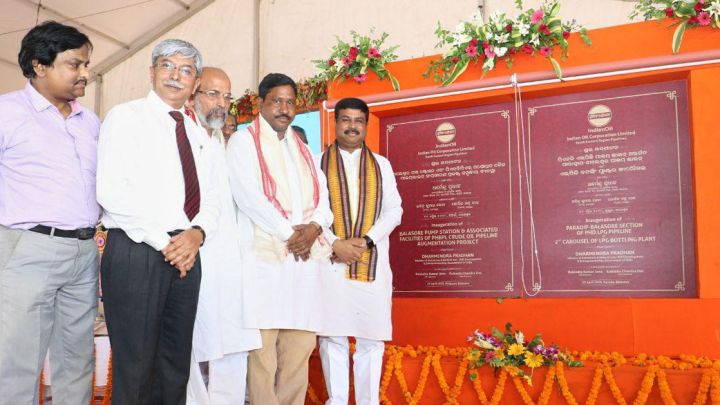
📷 Image: Wikimedia Commons / Ministry of Petroleum and Natural Gas
Business
India approves 1,800 km LPG pipelines in six states with ₹7,000 crore investment
✍️ livemint.com
🗓 22 Aug 2026, 09:59 PM
👁 44
The government has cleared a ₹7,000 crore plan to lay 1,800 km of LPG pipelines across six states, aiming to strengthen domestic gas supply.
New Delhi approved a massive LPG pipeline project worth about ₹7,000 crore, covering roughly 1,800 kilometres across six Indian states. The initiative is expected to create a dedicated network for liquefied petroleum gas, reducing reliance on road transport and enhancing safety.
The pipelines will be laid in phases, with the first stretch slated for completion within the next two years. Officials said the infrastructure will link major LPG storage hubs to distribution points in both urban and rural areas, ensuring a steadier supply to households and small businesses.
The investment is part of the government's broader push to modernise energy logistics and lower the cost of cooking fuel for consumers. Industry analysts anticipate that the project could also spur ancillary manufacturing and job creation in the regions involved.
State authorities have been asked to coordinate land acquisition and clearances, while the central ministry will monitor progress and ensure compliance with safety standards. The project aligns with the national goal of expanding clean energy access ahead of the 2030 targets.
The pipelines will be laid in phases, with the first stretch slated for completion within the next two years. Officials said the infrastructure will link major LPG storage hubs to distribution points in both urban and rural areas, ensuring a steadier supply to households and small businesses.
The investment is part of the government's broader push to modernise energy logistics and lower the cost of cooking fuel for consumers. Industry analysts anticipate that the project could also spur ancillary manufacturing and job creation in the regions involved.
State authorities have been asked to coordinate land acquisition and clearances, while the central ministry will monitor progress and ensure compliance with safety standards. The project aligns with the national goal of expanding clean energy access ahead of the 2030 targets.