
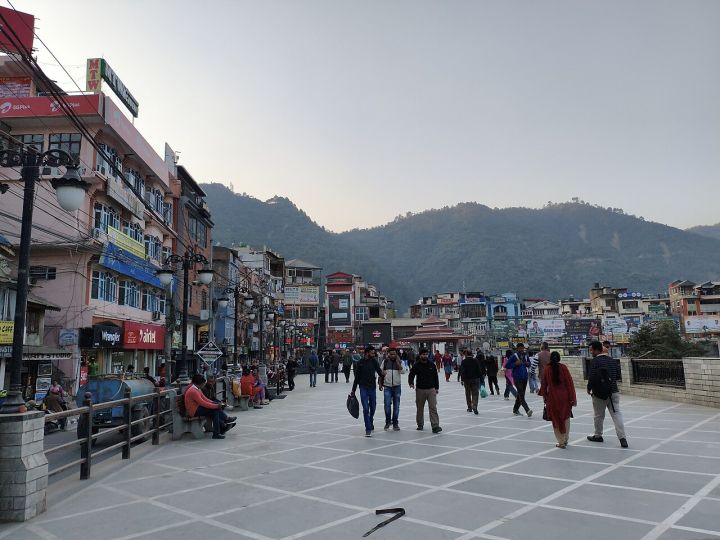
📷 Image: Wikimedia Commons / Dr. Chinchu C.
Agriculture
Himalayan Cardamom Supply Faces Risks Amid Steady Global Demand
✍️ CMB News
🗓 14 Oct 2026, 03:16 AM
👁 16
Analysts warn that adverse weather and logistical challenges in the Himalayan region could tighten cardamom supplies, while demand from domestic and export markets remains robust.
Cardamom market analysts highlighted in a CMB News outlook that the Himalayan growing zones are confronting heightened supply risks, even as overall demand for the spice stays firm. The report notes that erratic monsoon patterns, unexpected frosts and frequent landslides have disrupted planting and harvesting cycles in states such as Uttarakhand and Sikkim. Poor road connectivity further hampers the movement of harvested pods to processing centres, raising concerns about a potential shortfall in the coming season.
Despite these supply challenges, consumption of cardamom continues to be strong. Domestic food manufacturers, confectionery producers and tea packers maintain steady orders, while export markets in the Middle East, Europe and Southeast Asia have shown consistent interest. Traders therefore expect price pressure to build if the Himalayan output declines.
Industry observers suggest that any supply pinch could push cardamom prices higher, benefitting growers in traditional strongholds like Kerala but squeezing downstream processors. They also recommend that authorities improve rural infrastructure and promote climate‑resilient farming practices to mitigate future disruptions.
Despite these supply challenges, consumption of cardamom continues to be strong. Domestic food manufacturers, confectionery producers and tea packers maintain steady orders, while export markets in the Middle East, Europe and Southeast Asia have shown consistent interest. Traders therefore expect price pressure to build if the Himalayan output declines.
Industry observers suggest that any supply pinch could push cardamom prices higher, benefitting growers in traditional strongholds like Kerala but squeezing downstream processors. They also recommend that authorities improve rural infrastructure and promote climate‑resilient farming practices to mitigate future disruptions.