
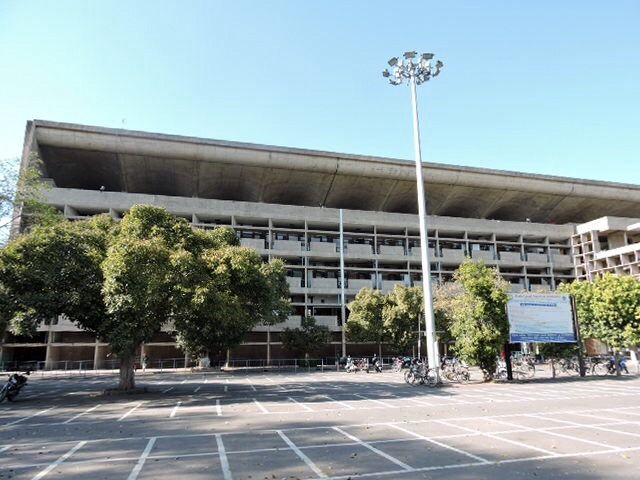
📷 Image: Wikimedia Commons / Harvinder Chandigarh
National
High Court Stays SARFAESI Dispossession of Residential House for Debt Below ₹20 Lakh
✍️ Live Law
🗓 13 Aug 2026, 05:33 PM
👁 6
The Punjab & Haryana High Court has stayed the dispossession of a sole residential house under the SARFAESI Act, ruling that the debt in question was below the ₹20 lakh threshold for the Act’s application.
The Punjab & Haryana High Court issued a stay order on the dispossession of a sole residential house that was being pursued under the SARFAESI Act. The court held that the debt amount was below the ₹20 lakh threshold that triggers the Act’s provisions.
Under the SARFAESI Act, banks and financial institutions can recover secured debts by repossessing property when the debt exceeds ₹20 lakh. In this case, the court found that the debt did not meet that criterion and therefore the dispossession order was premature.
The stay order effectively halts the bank’s attempt to seize the property until a proper assessment of the debt amount is made. The decision underscores the importance of adhering to the statutory thresholds when invoking SARFAESI provisions.
The case is now pending further proceedings, with the bank expected to file a counter‑argument or appeal. The High Court’s ruling is seen as a safeguard for property owners facing dispossession for debts that fall below the statutory limit.
Under the SARFAESI Act, banks and financial institutions can recover secured debts by repossessing property when the debt exceeds ₹20 lakh. In this case, the court found that the debt did not meet that criterion and therefore the dispossession order was premature.
The stay order effectively halts the bank’s attempt to seize the property until a proper assessment of the debt amount is made. The decision underscores the importance of adhering to the statutory thresholds when invoking SARFAESI provisions.
The case is now pending further proceedings, with the bank expected to file a counter‑argument or appeal. The High Court’s ruling is seen as a safeguard for property owners facing dispossession for debts that fall below the statutory limit.