
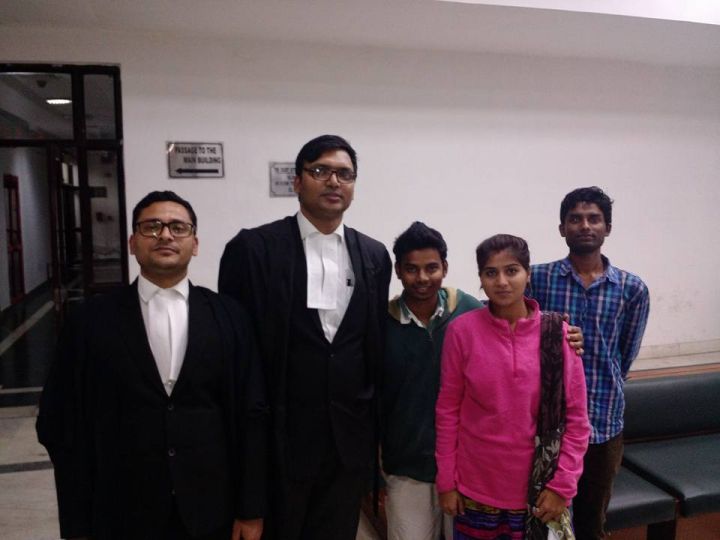
📷 Image: Wikimedia Commons / Kamlesh.legalaid
Health
High Court grants 12‑week maternity leave for women with third child
✍️ The Economic Times
🗓 22 Nov 2026, 08:46 AM
👁 26
The Indian High Court ruled that women who already have two children are entitled to a full 12 weeks of maternity leave for their third pregnancy, extending existing benefits.
The Delhi High Court delivered a landmark judgment clarifying that women with two or more children are eligible for a twelve‑week maternity leave for the birth of a third child. The ruling interprets existing labour statutes to extend the statutory leave period, which previously applied only to the first two pregnancies.
Legal experts say the decision aligns India’s maternity provisions with global best practices and addresses gaps that left many working mothers without adequate post‑natal support after their third child. The court emphasized that the entitlement is a right under the Maternity Benefit (Amendment) Act, 2017, and must be uniformly applied by all employers.
Employers across the private and public sectors are now required to adjust their leave policies accordingly, and the Ministry of Labour has been asked to issue detailed guidelines to ensure compliance. The judgment is expected to benefit thousands of women, particularly in the informal sector, where awareness of maternity rights remains low.
The High Court also directed the government to monitor implementation and report back within six months, signalling a proactive approach to enforce the expanded benefit.