
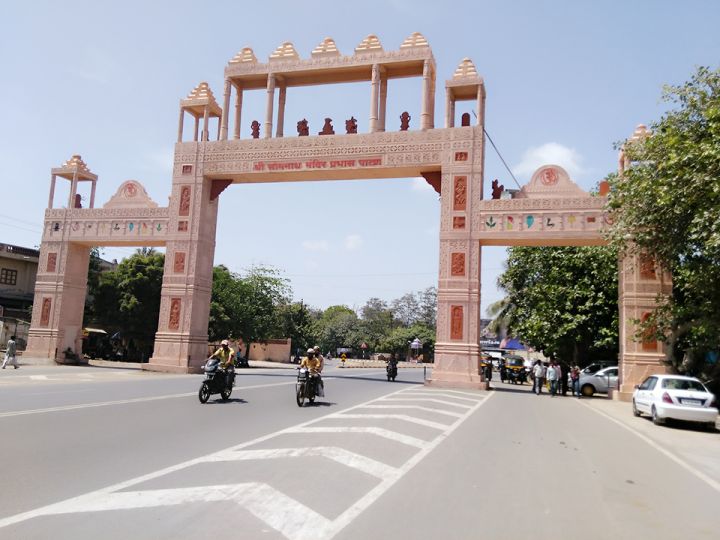
📷 Image: Wikimedia Commons / Jashu Ram
Food
Gujarat government upholds Somnath non‑veg ban as courts back order
✍️ Livemint
🗓 02 Nov 2026, 09:01 PM
👁 29
The Gujarat administration has confirmed that the prohibition on non‑vegetarian food in the temple town of Somnath remains in force, a stance supported by the latest court order despite objections from local eateries.
The Gujarat state government reiterated on Monday that the ban on serving non‑vegetarian food in Somnath, the coastal pilgrimage town, continues to be enforced. Officials said the restriction aligns with the cultural and religious sensitivities of the area and is intended to preserve the sanctity of the town for pilgrims.
Local restaurant owners, however, have voiced strong opposition, arguing that the prohibition hampers their livelihoods and limits consumer choice. They contend that the ban disproportionately affects small businesses that rely on a mixed menu to attract both tourists and residents.
In a recent development, the district court issued an order that upholds the government's decision, stating that the ban is legally valid and must remain in effect until further notice. The judgment responded to petitions filed by the restaurant association seeking relief from the restriction.
The continuation of the ban has sparked a broader debate about the balance between religious sentiments and commercial freedoms in heritage towns, with stakeholders awaiting any possible revision of the policy.