
📷 Image: Wikimedia Commons / Paasikivi
Politics
Gujarat CREDAI Joint Secretary Calls for Scrapping Prohibition Act
✍️ Bhaskar English
🗓 03 Nov 2026, 05:50 AM
👁 21
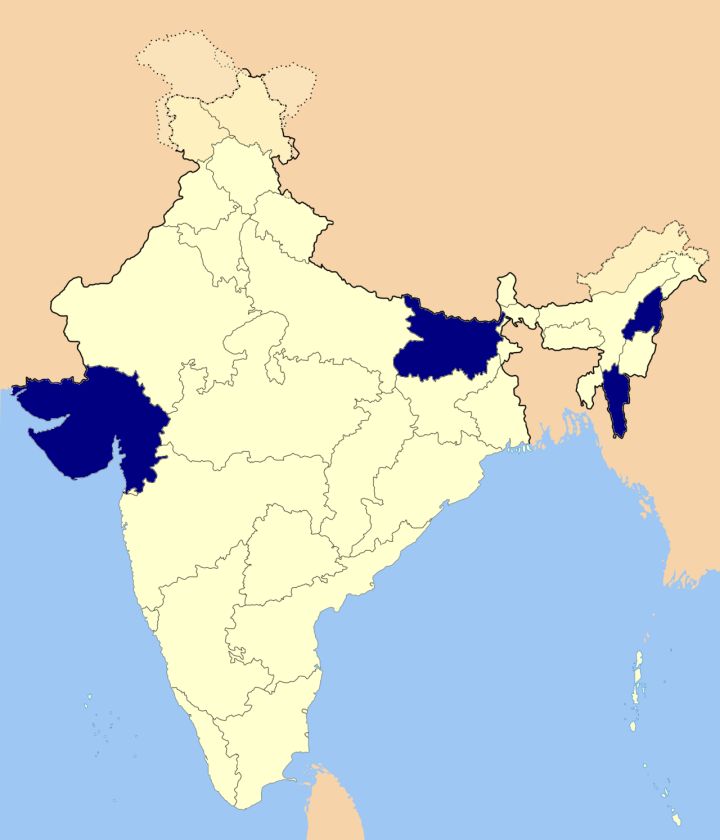
The Joint Secretary of CREDAI Gujarat has publicly demanded the repeal of the Gujarat Prohibition Act, urging the government to allow alcohol consumption.
A controversy has emerged in Gujarat following a public statement by the Joint Secretary of the Confederation of Real Estate Developers' Associations of India (CREDAI), Gujarat State. The official has explicitly called for the scrapping of the Gujarat Prohibition Act, which has been in force in the state for decades.
In his remarks, the CREDAI joint secretary addressed the government directly, urging them to repeal the law that bans the sale and consumption of alcohol. The statement, which included a casual sign-off of 'Cheers', has drawn attention to the ongoing debate regarding the economic and social implications of prohibition in the state.
While the Gujarat government has historically maintained a strict stance on prohibition, citing social and religious reasons, industry bodies and some political voices have occasionally argued for a change in policy to boost revenue and align with national trends. This latest comment adds to the discourse on whether the state should reconsider its long-standing ban on liquor.
The reaction to this statement is expected to be mixed, with supporters of prohibition likely to criticize the move as undermining public health and social values, while proponents of liberalization may view it as a step toward economic pragmatism.