
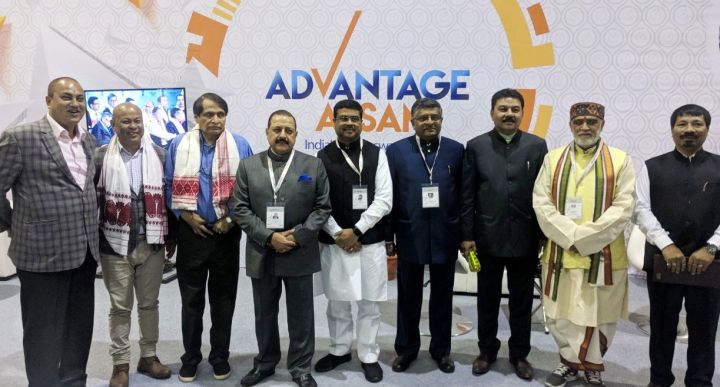
📷 Image: Wikimedia Commons / Ministry of Development of North Eastern Region
Sarkari Yojana
Government to Invest ₹10,000 Crore in Rural Power Infrastructure, Says Energy Minister
✍️ The Hindu
🗓 17 Sep 2026, 06:38 AM
👁 8
Energy Minister Ravi Kumar announced a ₹10,000 crore plan to upgrade electricity supply in villages across India.
New Delhi – The Union Ministry of Power disclosed a nationwide scheme worth ₹10,000 crore aimed at strengthening electricity distribution networks in rural areas. Energy Minister Ravi Kumar outlined the initiative during a press briefing, stating that the funding will be mobilised through central allocations and public‑private partnerships.
The programme targets the replacement of ageing transformers, extension of low‑tension lines, and installation of smart meters in over 50,000 villages. Officials expect the upgrades to reduce transmission losses, improve reliability and enable greater penetration of renewable energy sources at the village level.
Implementation is slated to begin in the upcoming financial year, with a phased rollout covering high‑need districts first. The Ministry has set a target of completing at least 70% of the infrastructure work by 2029, after which the remaining projects will be monitored for performance and impact.
Stakeholders, including state electricity boards and rural development agencies, have been invited to submit detailed project proposals. The government has also pledged capacity‑building measures for local technicians to ensure sustainable operation of the new assets.
The programme targets the replacement of ageing transformers, extension of low‑tension lines, and installation of smart meters in over 50,000 villages. Officials expect the upgrades to reduce transmission losses, improve reliability and enable greater penetration of renewable energy sources at the village level.
Implementation is slated to begin in the upcoming financial year, with a phased rollout covering high‑need districts first. The Ministry has set a target of completing at least 70% of the infrastructure work by 2029, after which the remaining projects will be monitored for performance and impact.
Stakeholders, including state electricity boards and rural development agencies, have been invited to submit detailed project proposals. The government has also pledged capacity‑building measures for local technicians to ensure sustainable operation of the new assets.