
📷 Image: Wikimedia Commons / Lalitgupta isgec
Science
First Indian Discovery of Hermaphrodite Common Carp in Tehri Dam Reservoir
✍️ pioneeredge.in
🗓 30 Sep 2026, 12:32 PM
👁 11
Scientists have identified hermaphroditic common carp in the Tehri Dam reservoir, marking the first such finding in India.
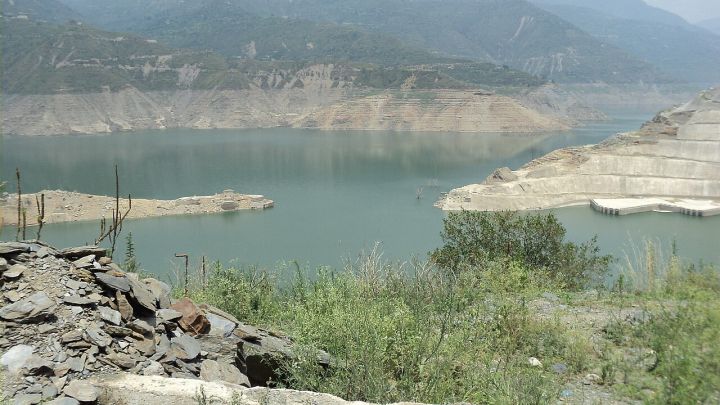
A team of ichthyologists from the Indian Institute of Science has reported the presence of hermaphroditic common carp (Cyprinus carpio) in the Tehri Dam reservoir, Uttarakhand. The discovery was made during a routine biodiversity survey conducted in July 2024.
Hermaphroditic individuals possess both male and female reproductive organs, a rare trait in common carp populations worldwide. The finding is significant because it suggests a potential shift in the species’ reproductive strategy, possibly driven by environmental pressures such as water temperature and pollution.
The researchers plan to conduct further genetic analyses to determine whether the trait is inherited or induced by local conditions. They also intend to monitor the population for any changes in breeding patterns that could affect fisheries management in the region.
Local authorities have expressed interest in the study, as the Tehri Dam is a major source of irrigation and hydroelectric power. Understanding the fish’s biology could help in maintaining ecological balance and ensuring sustainable fishery practices.
The discovery has been welcomed by the scientific community, with experts noting that it adds a new dimension to the study of carp genetics in India.
Hermaphroditic individuals possess both male and female reproductive organs, a rare trait in common carp populations worldwide. The finding is significant because it suggests a potential shift in the species’ reproductive strategy, possibly driven by environmental pressures such as water temperature and pollution.
The researchers plan to conduct further genetic analyses to determine whether the trait is inherited or induced by local conditions. They also intend to monitor the population for any changes in breeding patterns that could affect fisheries management in the region.
Local authorities have expressed interest in the study, as the Tehri Dam is a major source of irrigation and hydroelectric power. Understanding the fish’s biology could help in maintaining ecological balance and ensuring sustainable fishery practices.
The discovery has been welcomed by the scientific community, with experts noting that it adds a new dimension to the study of carp genetics in India.