
📷 Image: Wikimedia Commons / Sunil Ujjain
Science
Excavation to Resume at Ujjain's Vaishya Tekri After 88 Years, May Reveal Giant Buddhist Stupa
✍️ Amar Ujala · Madhya Pradesh
🗓 14 Nov 2026, 10:36 AM
👁 28
Archaeologists will restart digs at Vaishya Tekri in Ujjain from December 2026, hoping to uncover a Buddhist stupa larger than Sanchi and investigate 42 skeletons found in 1938.
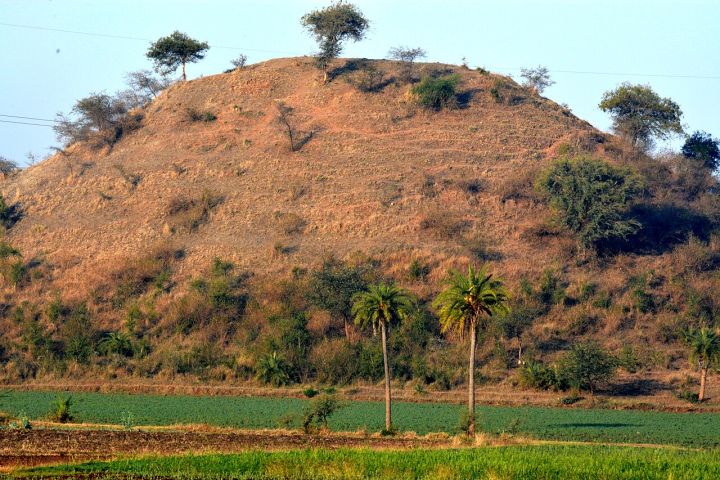
The Archaeological Survey of India (ASI) announced that systematic excavation at Vaishya Tekri, a historic mound in Ujjain, Madhya Pradesh, will commence in December 2026. This will be the first official dig since the last excavation in 1938, marking an 88‑year hiatus.
Preliminary surveys suggest the presence of a large Buddhist stupa beneath the mound, possibly exceeding the dimensions of the famed Sanchi complex. If confirmed, the find could reshape understanding of Buddhist architectural spread in central India.
The 1938 excavation uncovered 42 human skeletons, the context of which remains unclear. Researchers hope the new dig will apply modern techniques such as ground‑penetrating radar and DNA analysis to determine the age, health and cultural affiliation of the remains.
The project is being coordinated with the state Department of Culture and will involve a multidisciplinary team of archaeologists, historians and forensic experts. Findings will be documented and shared with the public through ASI reports and museum displays.