
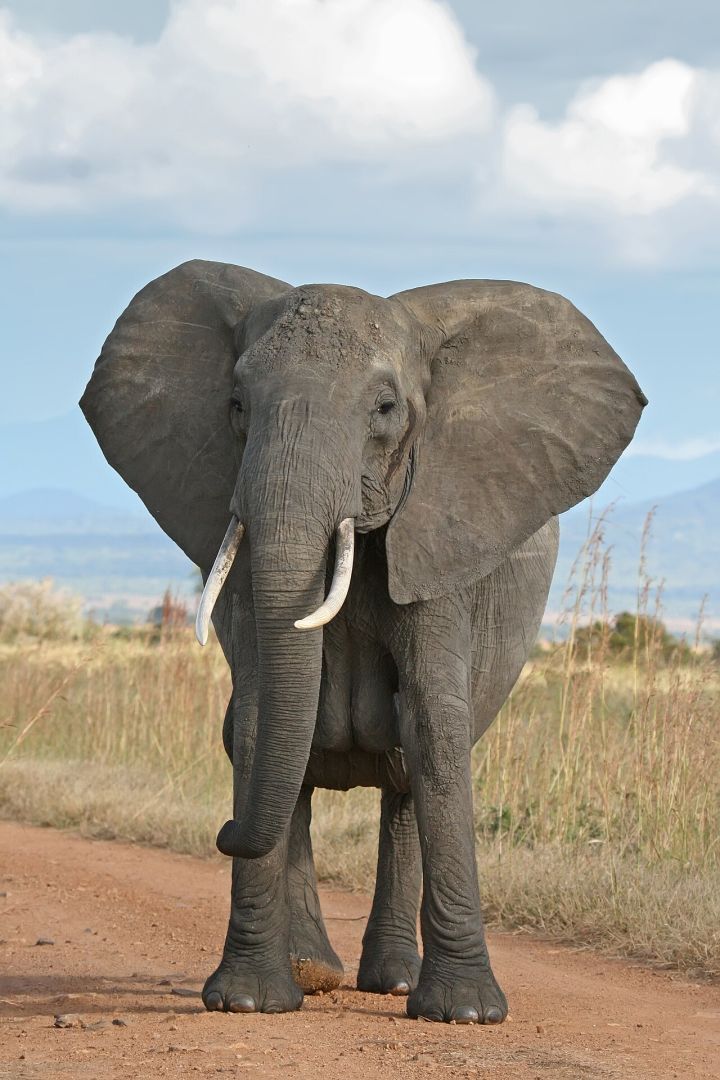
📷 Image: Wikimedia Commons / Muhammad Mahdi Karim Facebook
The making of t
Agriculture
Elephant attacks in Anupur, MP claim 17 lives over 15 years, MLA urges CM for permanent solution
✍️ Amar Ujala · Madhya Pradesh
🗓 26 Aug 2026, 09:17 PM
👁 61
In Anupur district of Madhya Pradesh, wild elephants have killed 17 villagers over the past 15 years and repeatedly damaged crops, prompting the local MLA to seek a long‑term fix from the chief minister.
The forested fringes of Anupur district have become a hotspot for human‑elephant conflict. Over the last fifteen years, seventeen residents have lost their lives in incidents ranging from sudden stampedes to attacks on homes. The same animals regularly raid fields, destroying standing crops such as wheat, soybeans and pulses, leaving families without a reliable source of income.
Local authorities have deployed occasional patrols and set up warning systems, but the measures have not curbed the frequency of encounters. Villagers report that the elephants, driven by habitat loss and seasonal migration, often enter the outskirts of the village at night, creating a climate of fear and economic hardship.
In response, the elected MLA from the constituency met the chief minister and formally requested a permanent solution. The demands include the creation of a dedicated wildlife corridor, installation of electric fencing along vulnerable farmlands, and compensation mechanisms for loss of life and property. The MLA emphasized that short‑term relief is insufficient and that a coordinated state‑level plan is essential to protect both human lives and wildlife.
State officials have acknowledged the issue and indicated that a detailed survey will be commissioned to map elephant movement patterns. The outcome may shape future interventions, but villagers remain anxious as the next encounter could be fatal.
The situation underscores the broader challenge of balancing conservation with rural livelihoods in central India, where expanding human settlements increasingly intersect with traditional elephant habitats.
Local authorities have deployed occasional patrols and set up warning systems, but the measures have not curbed the frequency of encounters. Villagers report that the elephants, driven by habitat loss and seasonal migration, often enter the outskirts of the village at night, creating a climate of fear and economic hardship.
In response, the elected MLA from the constituency met the chief minister and formally requested a permanent solution. The demands include the creation of a dedicated wildlife corridor, installation of electric fencing along vulnerable farmlands, and compensation mechanisms for loss of life and property. The MLA emphasized that short‑term relief is insufficient and that a coordinated state‑level plan is essential to protect both human lives and wildlife.
State officials have acknowledged the issue and indicated that a detailed survey will be commissioned to map elephant movement patterns. The outcome may shape future interventions, but villagers remain anxious as the next encounter could be fatal.
The situation underscores the broader challenge of balancing conservation with rural livelihoods in central India, where expanding human settlements increasingly intersect with traditional elephant habitats.