
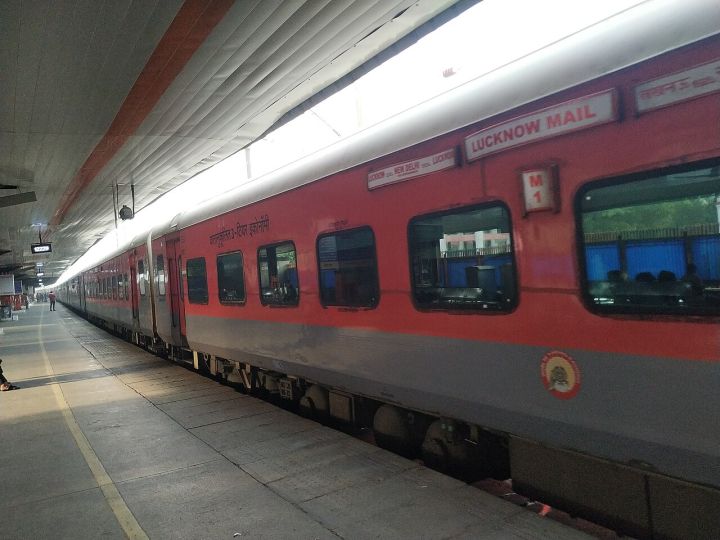
📷 Image: Wikimedia Commons / Ravi Dwivedi
Business
Delhi‑Lucknow Bullet Train Proposed 2‑hour 12‑minute Journey
✍️ Business Today
🗓 19 Nov 2026, 10:15 AM
👁 20
Business Today reports that the planned Delhi‑Lucknow high‑speed rail corridor aims for a travel time of 2 hours 12 minutes, but key details on infrastructure and funding remain unclear.
The Ministry of Railways has outlined a tentative schedule for the upcoming high‑speed rail line linking Delhi and Lucknow, targeting a journey time of just over two hours. The proposal, detailed in a recent Business Today feature, suggests that the bullet train could cover the 500‑kilometre stretch in 2 hours 12 minutes, a significant reduction from current travel times by road or conventional rail.
While the projected speed and travel duration have generated enthusiasm, the article points out several missing elements. Specifics on the alignment of the track, station locations, and the technology partner for the rolling stock have not been disclosed. Moreover, the financing model—whether through public‑private partnership, foreign investment, or central funding—remains under discussion.
Industry analysts caution that without clear answers on land acquisition, environmental clearances, and cost estimates, the timeline for commencement could face delays. The government has indicated that a detailed project report will be prepared, but no definitive dates for tendering or construction have been announced.
Stakeholders, including state governments of Delhi and Uttar Pradesh, are expected to coordinate on issues such as last‑mile connectivity and integration with existing transport networks. If realised, the corridor could boost economic ties between the national capital and the regional hub of Lucknow, potentially spurring tourism and business travel.
For now, the bullet train remains a proposal, with the promised 2‑hour‑12‑minute travel time serving as a benchmark rather than a confirmed schedule.