
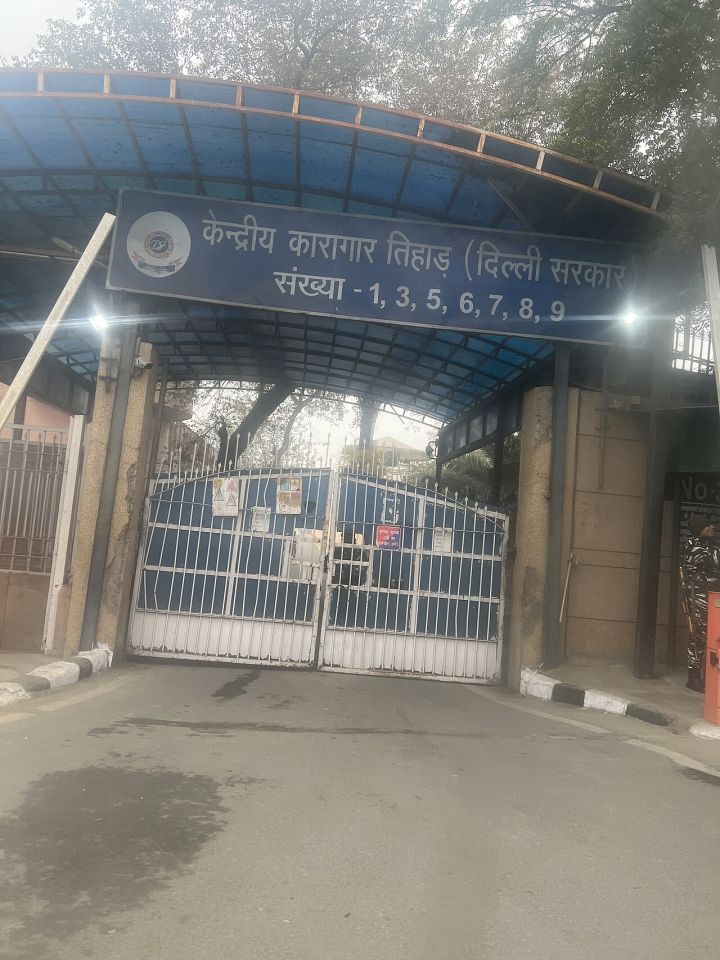
📷 Image: Wikimedia Commons / Zuck28
Crime
Delhi Court Grants NIA Permission to Question US and Ukrainian Detainees in Tihar Jail
✍️ Amar Ujala · Delhi
🗓 31 Aug 2026, 09:40 PM
👁 74
A Delhi court on Monday approved the National Investigation Agency's request to interrogate American citizen Matthew Aaron Van Dyke and Ukrainian citizen Viktor Kaminsky, who are being held in Tihar Jail.
The Delhi Metropolitan Court gave its nod to a petition filed by the National Investigation Agency (NIA) seeking permission to conduct interrogations inside Tihar Jail. The agency's request specifically targets two foreign nationals – American Matthew Aaron Van Dyke and Ukrainian Viktor Kaminsky – who are currently incarcerated at the facility.
According to the court order, the NIA may summon the detainees for questioning related to alleged infiltration and conspiracy offenses. The agency has not disclosed further details of the investigation, but the approval signals a formal step toward probing possible security breaches.
Legal experts note that the court's decision underscores the judiciary's role in overseeing high‑profile investigations involving foreign citizens. The detainees remain in custody pending further procedural developments, and any statements they provide will be recorded under standard legal safeguards.
The case adds to a series of recent actions by Indian security agencies aimed at curbing espionage and related threats, reflecting heightened vigilance amid regional geopolitical tensions.
According to the court order, the NIA may summon the detainees for questioning related to alleged infiltration and conspiracy offenses. The agency has not disclosed further details of the investigation, but the approval signals a formal step toward probing possible security breaches.
Legal experts note that the court's decision underscores the judiciary's role in overseeing high‑profile investigations involving foreign citizens. The detainees remain in custody pending further procedural developments, and any statements they provide will be recorded under standard legal safeguards.
The case adds to a series of recent actions by Indian security agencies aimed at curbing espionage and related threats, reflecting heightened vigilance amid regional geopolitical tensions.