
📷 Image: Wikimedia Commons / Ministry of Environment, Forest and Climate Change
Health
Delhi could slash PM2.5 exposure by 20% by 2040 if air standards are met, report says
✍️ India Today
🗓 08 Sep 2026, 04:18 PM
👁 3
A recent India Today report estimates that meeting scheduled air‑quality norms could reduce Delhi’s PM2.5 exposure burden by one‑fifth by 2040.
A report published by India Today projects that Delhi can lower its population’s exposure to fine particulate matter (PM2.5) by about 20 percent by the year 2040, provided the city meets the air‑quality standards set for the coming years. The calculation is based on the assumption that the current trajectory of pollution control measures is fully implemented on schedule.
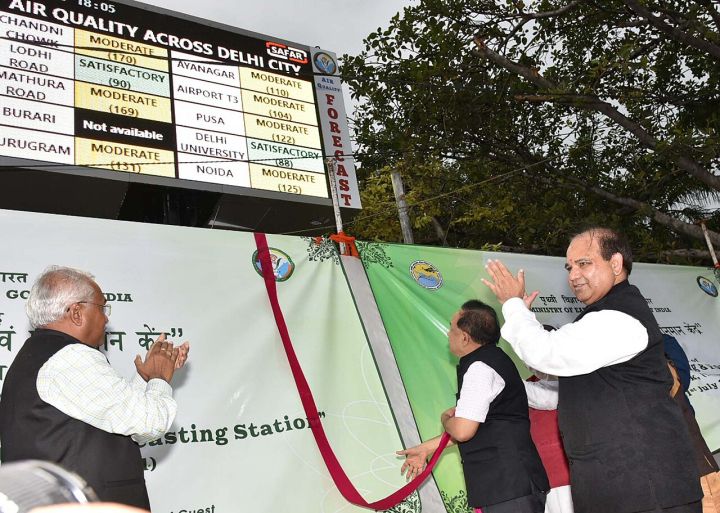
At present, Delhi records some of the highest PM2.5 concentrations in the country, contributing to a heavy health burden that includes respiratory and cardiovascular diseases. Reducing exposure by a fifth would translate into thousands of fewer premature deaths and hospital admissions over the next two decades.
The targeted norms involve stricter limits on emissions from vehicles, industry, construction dust and solid‑fuel cooking, as well as expanded monitoring networks. Officials have pledged to roll out cleaner fuel mandates and upgrade public transport, but the timeline remains tight.
Experts caution that any delay in enforcement could erode the projected gains, underscoring the need for coordinated action among state agencies, the central government and private stakeholders.
At present, Delhi records some of the highest PM2.5 concentrations in the country, contributing to a heavy health burden that includes respiratory and cardiovascular diseases. Reducing exposure by a fifth would translate into thousands of fewer premature deaths and hospital admissions over the next two decades.
The targeted norms involve stricter limits on emissions from vehicles, industry, construction dust and solid‑fuel cooking, as well as expanded monitoring networks. Officials have pledged to roll out cleaner fuel mandates and upgrade public transport, but the timeline remains tight.
Experts caution that any delay in enforcement could erode the projected gains, underscoring the need for coordinated action among state agencies, the central government and private stakeholders.