
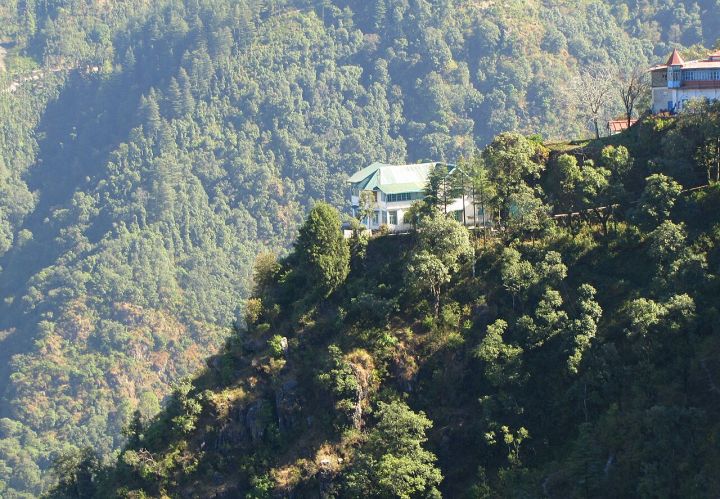
📷 Image: Wikimedia Commons / Paul Hamilton
Weather
Construction boom puts 300,000 at risk in Himalayan disaster‑prone zones
✍️ BBC
🗓 29 Oct 2026, 05:31 AM
👁 14
A rapid rise in building activity across the Himalayas has exposed roughly three lakh people to heightened landslide and avalanche danger, according to a BBC report.
A construction surge in the Himalayan foothills is drawing thousands of new homes, hotels and infrastructure projects into zones that are historically vulnerable to landslides, rockfalls and avalanches. The BBC estimates that about 300,000 residents now live within areas identified as high‑risk for such natural events.
Experts say the rapid, often unplanned, expansion has ignored the fragile geology of the region. Steep slopes, loose sediment and intense monsoon rains combine to create conditions where even modest construction can trigger slope failures, putting nearby communities in immediate danger.
Local authorities in several Himalayan states have begun reviewing building permits and urging stricter adherence to zoning regulations. Environmental NGOs are calling for comprehensive hazard mapping before any further development is approved, warning that the human and economic cost of a major disaster could be severe.
The situation underscores a broader challenge for India’s growth agenda: balancing the demand for housing and tourism infrastructure with the need to safeguard lives in some of the world’s most seismically and climatically sensitive mountain ranges.