
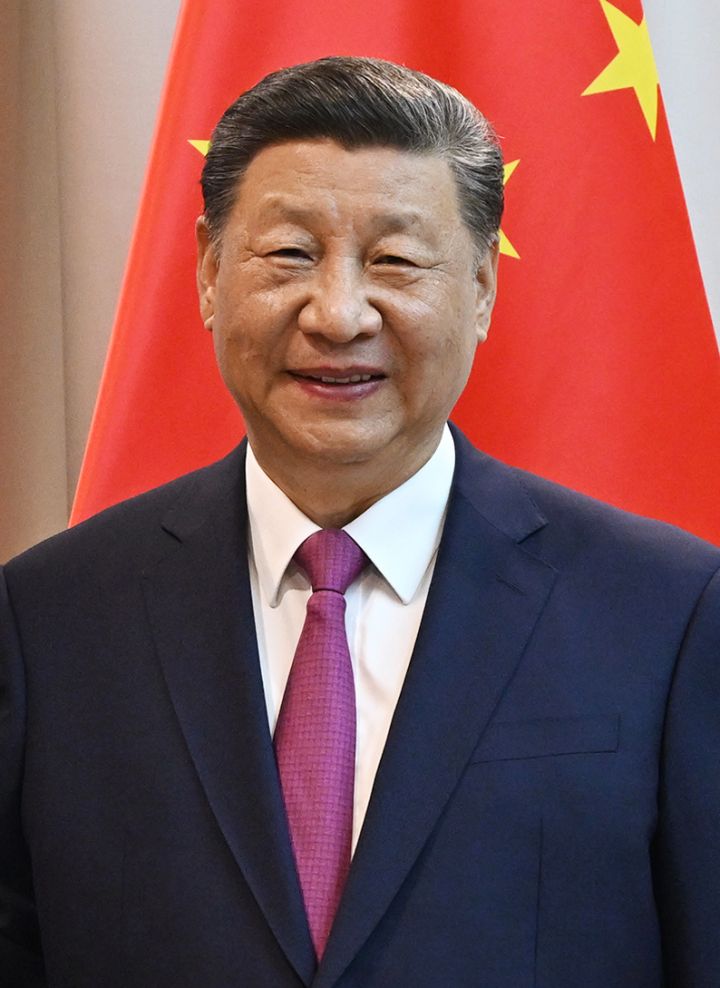
📷 Image: Wikimedia Commons / Press Service of the President of the Republic of
Defence
China's 'Salami Slicing' in Arunachal: India Engages with Xi
✍️ The Times of India
🗓 29 Sep 2026, 05:34 PM
👁 21
China is incrementally expanding its presence in Arunachal Pradesh, a move described as 'salami slicing', while India maintains diplomatic engagement with Chinese President Xi.
China has been reported to be advancing its military and infrastructural footprint along the Line of Actual Control in Arunachal Pradesh, a region that India claims as its own. The incremental steps, often referred to by analysts as "salami slicing", involve the construction of roads and the stationing of additional troops in strategically sensitive areas.
Amid these developments, the Indian government has continued to engage diplomatically with China. President Xi Jinping recently met with Prime Minister Narendra Modi in a high‑profile handshake, signalling a willingness to keep communication channels open despite the tensions.
The Indian Ministry of External Affairs has reiterated its stance that any change in the status quo in Arunachal must be in accordance with international law and the bilateral border agreement. Meanwhile, China has maintained that its actions are defensive and aimed at ensuring national security.
Observers note that the situation remains fluid, with both sides balancing military posturing and diplomatic outreach. The international community watches closely as the two largest Asian powers navigate this sensitive frontier.
The Times of India has highlighted the dual narrative of military build‑up and diplomatic engagement, underscoring the complexity of Indo‑Chinese relations in the border context.
Amid these developments, the Indian government has continued to engage diplomatically with China. President Xi Jinping recently met with Prime Minister Narendra Modi in a high‑profile handshake, signalling a willingness to keep communication channels open despite the tensions.
The Indian Ministry of External Affairs has reiterated its stance that any change in the status quo in Arunachal must be in accordance with international law and the bilateral border agreement. Meanwhile, China has maintained that its actions are defensive and aimed at ensuring national security.
Observers note that the situation remains fluid, with both sides balancing military posturing and diplomatic outreach. The international community watches closely as the two largest Asian powers navigate this sensitive frontier.
The Times of India has highlighted the dual narrative of military build‑up and diplomatic engagement, underscoring the complexity of Indo‑Chinese relations in the border context.