
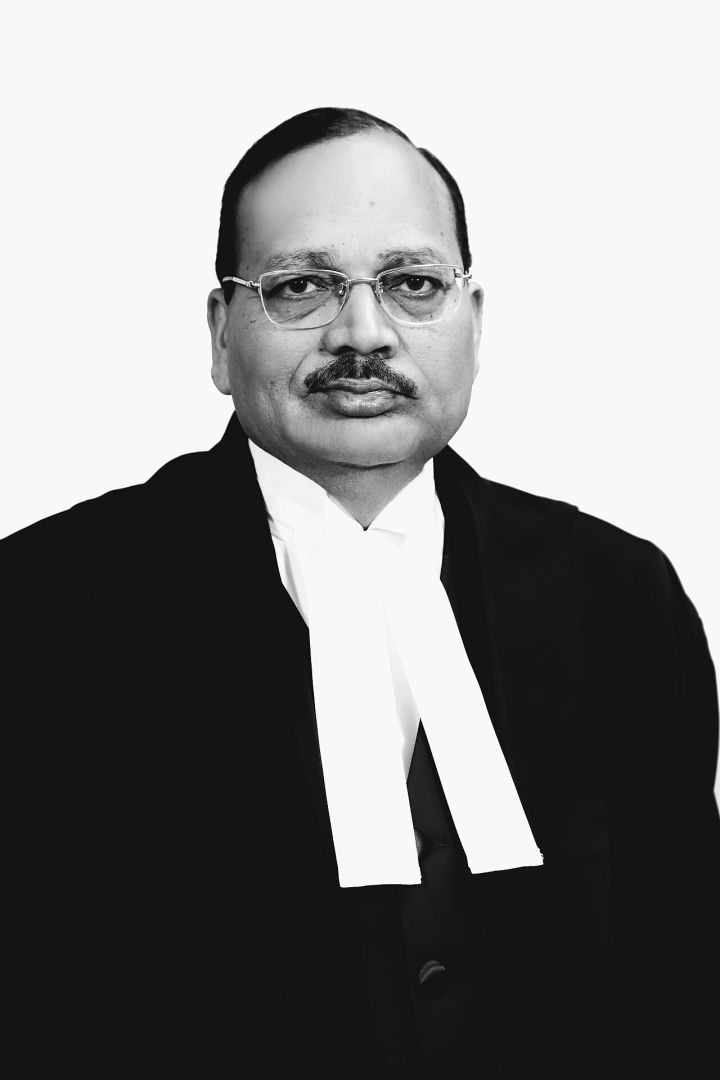
📷 Image: Wikimedia Commons / Supreme Court of India
Politics
Chief Justice Surya Kant Declines to Intervene in Jantar Mantar Protest Crackdown
✍️ The Times of India
🗓 23 Jul 2026, 11:07 AM
👁 26
Chief Justice Surya Kant has refused to intervene in the recent crackdown on protests at Jantar Mantar, citing a lack of time to review video footage.
Chief Justice Surya Kant declined to intervene in the recent crackdown on protests held at Jantar Mantar in Delhi. The decision came after authorities intensified security measures during the demonstrations. In a brief statement, the Chief Justice mentioned that he does not have time to watch videos related to the incident. The move has drawn attention to the judiciary’s stance on the handling of civil protests. No further details have been released regarding the reasons behind the decision.
The protest at Jantar Mantar, a well-known gathering spot for political rallies, saw a significant police presence during the event. The crackdown involved the use of tear gas and crowd control measures. While the government has defended its actions as necessary for maintaining public order, critics argue that the response was excessive.
Surya Kant’s refusal to intervene has sparked discussions about the role of the judiciary in overseeing law enforcement actions during public demonstrations. The Chief Justice’s remarks highlight the challenges faced by the judiciary in balancing time constraints with the need to address civil unrest. The incident underscores the ongoing debate over the limits of judicial intervention in matters of public security.
The Delhi Police have not issued a statement regarding the Chief Justice’s comments. Meanwhile, opposition leaders have called for a review of the police’s tactics at Jantar Mantar. The situation remains under close scrutiny as authorities prepare for potential future protests in the capital.
Observers note that the Chief Justice’s stance may influence how future cases involving protest crackdowns are approached by the courts. The judiciary’s engagement in such matters continues to be a point of contention among lawmakers and civil society groups.
The protest at Jantar Mantar, a well-known gathering spot for political rallies, saw a significant police presence during the event. The crackdown involved the use of tear gas and crowd control measures. While the government has defended its actions as necessary for maintaining public order, critics argue that the response was excessive.
Surya Kant’s refusal to intervene has sparked discussions about the role of the judiciary in overseeing law enforcement actions during public demonstrations. The Chief Justice’s remarks highlight the challenges faced by the judiciary in balancing time constraints with the need to address civil unrest. The incident underscores the ongoing debate over the limits of judicial intervention in matters of public security.
The Delhi Police have not issued a statement regarding the Chief Justice’s comments. Meanwhile, opposition leaders have called for a review of the police’s tactics at Jantar Mantar. The situation remains under close scrutiny as authorities prepare for potential future protests in the capital.
Observers note that the Chief Justice’s stance may influence how future cases involving protest crackdowns are approached by the courts. The judiciary’s engagement in such matters continues to be a point of contention among lawmakers and civil society groups.