
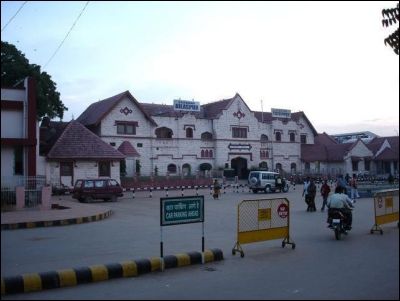
📷 Image: Wikimedia Commons / Ashish.prajapati90
Local
Chhattisgarh HC Rules Courts Cannot Halt Operations Entirely on Bar Association's Request
✍️ The Times of India
🗓 11 Aug 2026, 06:36 PM
👁 50
The Chhattisgarh High Court has ruled that courts cannot suspend their operations for an entire day solely at the behest of a Bar Association, underscoring the need for judicial continuity.
In a recent judgment, the Chhattisgarh High Court held that courts are not permitted to suspend their work for an entire day solely on the request of a Bar Association. The ruling came after the Bar Association had called for a one‑day closure, citing logistical concerns.
The court emphasized that judicial continuity is essential to prevent delays in case hearings and to uphold the public’s right to timely justice. It clarified that any temporary suspension must be justified by a broader public interest or a court‑mandated order, not merely a professional body’s demand.
This decision reinforces the principle that the judiciary operates independently of external pressures and must maintain its day‑to‑day functions. The High Court’s stance aligns with precedents that safeguard the regular functioning of courts across the country.
Legal experts noted that the ruling will likely deter future unilateral closure requests and ensure that courts remain accessible to litigants and the public.
The court emphasized that judicial continuity is essential to prevent delays in case hearings and to uphold the public’s right to timely justice. It clarified that any temporary suspension must be justified by a broader public interest or a court‑mandated order, not merely a professional body’s demand.
This decision reinforces the principle that the judiciary operates independently of external pressures and must maintain its day‑to‑day functions. The High Court’s stance aligns with precedents that safeguard the regular functioning of courts across the country.
Legal experts noted that the ruling will likely deter future unilateral closure requests and ensure that courts remain accessible to litigants and the public.