
📷 Image: Wikimedia Commons / Sntshkumar750
Religion
Chhath 2026: Kharna Puja Observed Today – Ritual Timings and Guidelines
✍️ Amar Ujala · Darbhanga
🗓 14 Nov 2026, 09:15 AM
👁 20
On the second day of Chhath Mahaparv, devotees perform Kharna puja, break their fast with prasadam and commence a 36‑hour waterless fast.
Chhath Mahaparv, one of the most revered festivals in Bihar, entered its second day on November 5, 2026, marked by the Kharna puja. Devotees gather at riverbanks and open spaces to offer prayers to the Sun God, seeking blessings for health and prosperity.
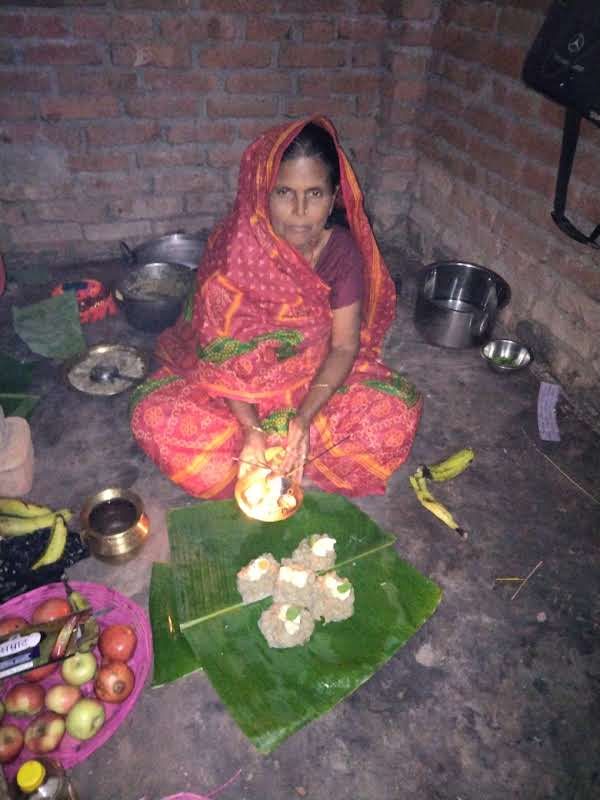
The Kharna ceremony begins after sunrise, when participants perform a ritual bath, chant traditional hymns and present offerings of seasonal fruits, sugarcane, and the special rice‑flour cake known as 'thekua'. After the puja, the prasadam is consumed, signalling the end of the daytime fast.
Following the meal, worshippers commence a continuous 36‑hour waterless fast, abstaining from both food and drink until the concluding evening ritual, known as Sandhya Arghya, on the third day. Religious scholars advise maintaining a calm environment and avoiding strenuous activities during this period.
In Darbhanga and surrounding districts, local authorities have arranged additional safety measures at ghats to manage crowds, ensuring a smooth observance of the rites.