
📷 Image: Wikimedia Commons / Charles J. Sharp
Crime
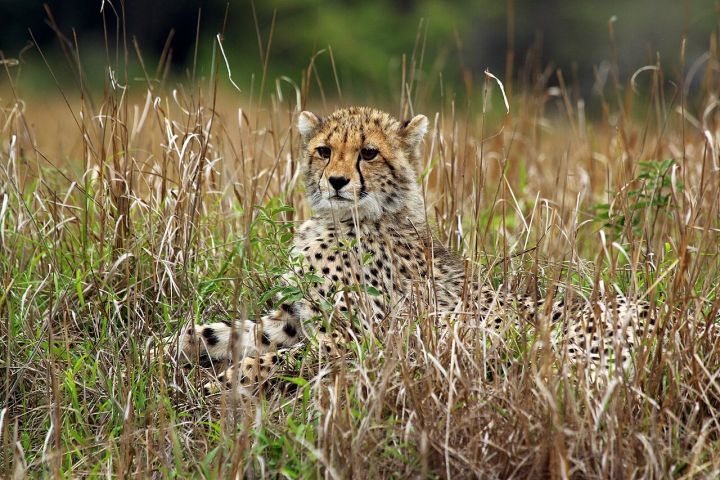
Cheetah cub, 19 months, dies after suspected shooting in Madhya Pradesh’s Kuno – first cheetah killing in India
✍️ Amar Ujala · Madhya Pradesh
🗓 27 Oct 2026, 07:15 PM
👁 8
A 19‑month‑old male cheetah cub rescued from Muraina forest died during treatment in Kuno after a suspected bullet wound, marking India’s first reported cheetah killing.
The 19‑month‑old male cub of the female cheetah known as Nerve died on Tuesday while receiving medical care at the Kuno wildlife facility in Madhya Pradesh. Veterinarians suspect a bullet wound as the cause of death, although the state forest department has not yet confirmed the allegation.
The cub had been found injured on 25 October in the Muraina forest area and was brought to Kuno for treatment. It was the only surviving offspring of Nerve, one of the few cheetahs introduced under the country’s re‑introduction programme.
Forest officials said an inquiry has been launched to ascertain whether the injury was due to a stray bullet or deliberate poaching. The incident has sparked outrage among conservationists, who warn that any loss of the fragile cheetah population could jeopardise the species’ recovery in India.
India’s cheetah project, which aims to establish a self‑sustaining wild population, currently hosts fewer than a dozen individuals. The suspected killing underscores the urgent need for stronger anti‑poaching measures and community awareness in and around protected areas.