
📷 Image: Wikimedia Commons / Alexmodesto73
Weather
Catastrophic Debris Flow Strikes Nepal and Tibet on August 26, 2026
✍️ eos.org
🗓 27 Aug 2026, 12:47 AM
👁 3
On 26 August 2026 a massive debris flow hit mountainous regions of Nepal and Tibet, prompting emergency response teams to mobilise across the affected valleys.
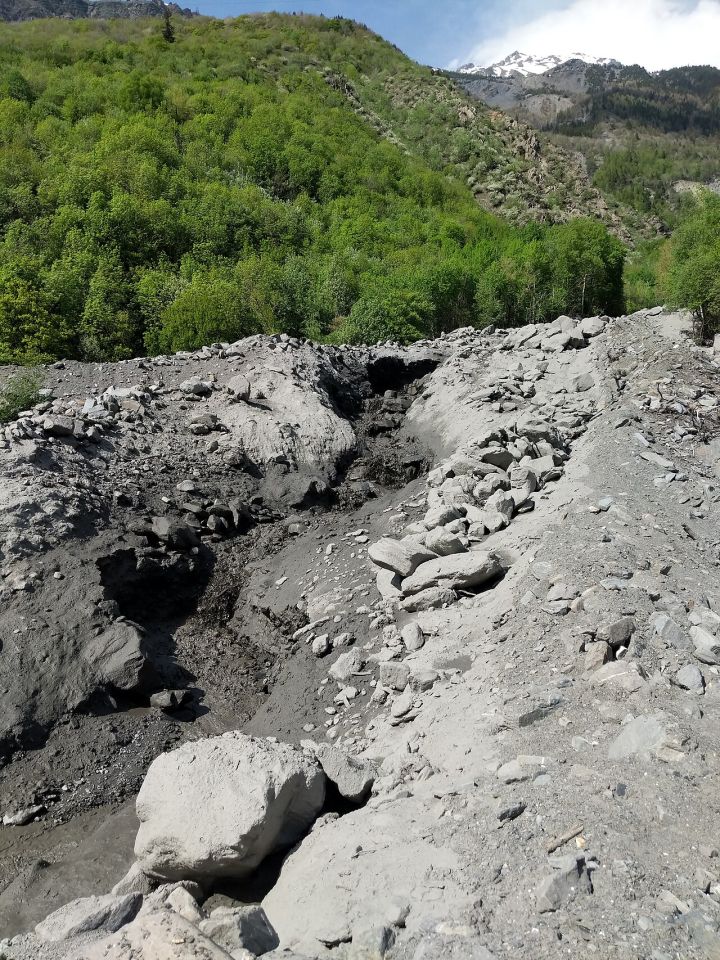
A powerful debris flow erupted on 26 August 2026, sweeping down steep slopes in both Nepal and the adjacent Tibetan plateau. The sudden surge of mud, rocks and water descended through remote valleys, cutting off road access and damaging infrastructure in the impacted zones.
Local authorities in Nepal immediately activated disaster‑management protocols, dispatching rescue squads and establishing temporary shelters for displaced residents. In Tibet, regional officials coordinated with Chinese emergency services to assess the extent of the slide and to secure critical mountain passes.
Preliminary reports indicate that the flow originated from heavy monsoon‑season rains that saturated the terrain, triggering the mass movement. Scientists monitoring the region note that such events are becoming more frequent in the Himalayas due to changing climate patterns.
Both governments have appealed for international assistance, urging neighboring countries and NGOs to provide relief supplies and technical expertise as they begin the arduous task of clearing debris and restoring connectivity.
The situation remains fluid, with rescue teams continuing to search for any missing persons and to evaluate the full scale of damage across the trans‑border mountain corridor.
Local authorities in Nepal immediately activated disaster‑management protocols, dispatching rescue squads and establishing temporary shelters for displaced residents. In Tibet, regional officials coordinated with Chinese emergency services to assess the extent of the slide and to secure critical mountain passes.
Preliminary reports indicate that the flow originated from heavy monsoon‑season rains that saturated the terrain, triggering the mass movement. Scientists monitoring the region note that such events are becoming more frequent in the Himalayas due to changing climate patterns.
Both governments have appealed for international assistance, urging neighboring countries and NGOs to provide relief supplies and technical expertise as they begin the arduous task of clearing debris and restoring connectivity.
The situation remains fluid, with rescue teams continuing to search for any missing persons and to evaluate the full scale of damage across the trans‑border mountain corridor.