
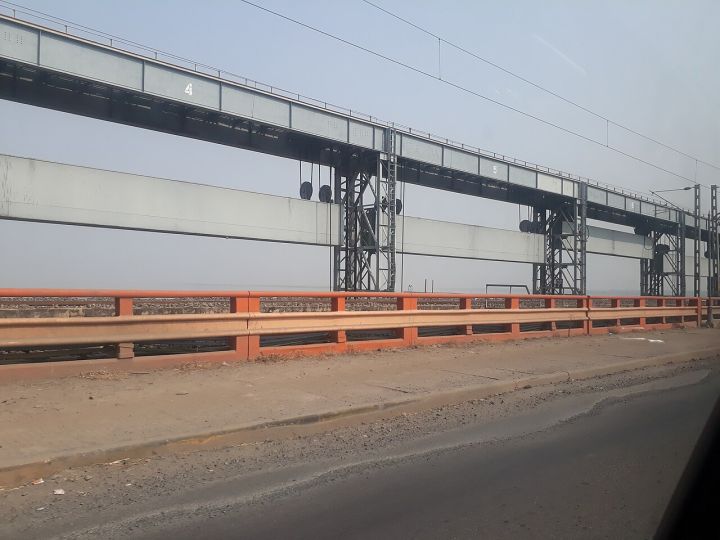
📷 Image: Wikimedia Commons / Pinakpani
Politics
Bihar’s water needs to be factored in Farakka Treaty renewal, says Chief Minister
✍️ The Times of India
🗓 03 Sep 2026, 09:03 AM
👁 24
The chief minister said the upcoming renewal of the Farakka water‑sharing treaty will take Bihar’s irrigation and drinking‑water requirements into account.
New talks on extending the Farakka water‑sharing agreement between India and Bangladesh are under way, and the chief minister of Bihar has publicly stated that the state’s water requirements will be a key consideration. The original treaty, signed in 1996 for a 30‑year period, is due to expire in 2025, prompting both governments to negotiate a fresh pact. Bihar, which relies heavily on the Ganga’s flow for agriculture and domestic use, has faced seasonal shortages that officials attribute partly to upstream allocations.
In a statement reported by The Times of India, the chief minister emphasized that any renewal must safeguard the volume of water reaching Bihar’s districts, especially during the lean monsoon months. He urged the central government to ensure that the revised terms reflect the state’s growing demand and the need for sustainable water management.
The central government, which handles foreign negotiations, has not yet disclosed detailed proposals, but sources indicate that water‑release schedules and minimum flow guarantees are being discussed. Stakeholders in Bihar, including farmer groups and water‑resource agencies, are watching the developments closely, hoping the outcome will alleviate long‑standing scarcity concerns.
In a statement reported by The Times of India, the chief minister emphasized that any renewal must safeguard the volume of water reaching Bihar’s districts, especially during the lean monsoon months. He urged the central government to ensure that the revised terms reflect the state’s growing demand and the need for sustainable water management.
The central government, which handles foreign negotiations, has not yet disclosed detailed proposals, but sources indicate that water‑release schedules and minimum flow guarantees are being discussed. Stakeholders in Bihar, including farmer groups and water‑resource agencies, are watching the developments closely, hoping the outcome will alleviate long‑standing scarcity concerns.