
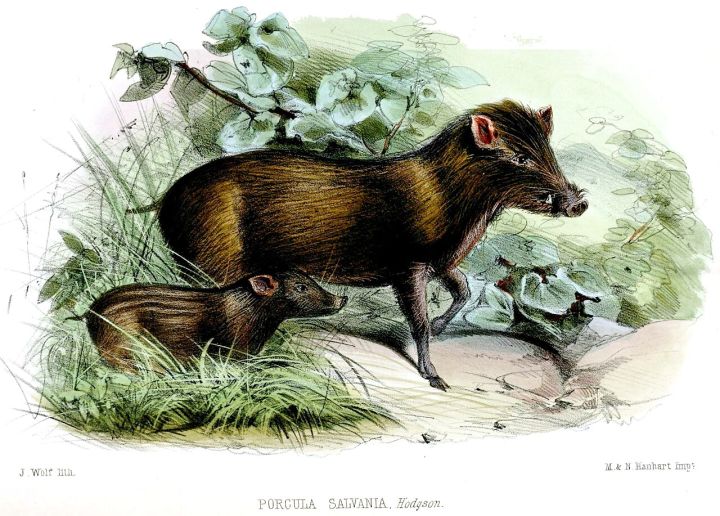
📷 Image: Wikimedia Commons / Joseph Wolf
Science
Assam boosts pygmy hog population from 6 to 194 in successful conservation drive
✍️ The Better India
🗓 05 Sep 2026, 01:04 PM
👁 32
The state’s focused breeding programme has raised the critically endangered pygmy hog count from six individuals to 194.
Assam’s forest department, in partnership with wildlife NGOs, has reported a dramatic rise in the pygmy hog population, a species once thought to be on the brink of extinction. Starting with only six individuals in captivity, the coordinated breeding effort has now produced 194 healthy hogs ready for re‑introduction into their native grassland habitats.
The programme combines captive breeding, habitat restoration in the Manas and Kaziranga regions, and community awareness campaigns to ensure long‑term survival. Experts monitor genetic diversity and health of the herd to prevent inbreeding and disease.
Conservationists say the success marks a milestone for India’s wildlife recovery initiatives, offering a template for other endangered species. The next phase will focus on releasing the hogs into protected grasslands and tracking their adaptation.
Local villagers have been engaged through livelihood alternatives and training, fostering support for the project and reducing human‑wildlife conflict. Authorities plan to continue monitoring and expand the program to cover additional sites across the state.
The programme combines captive breeding, habitat restoration in the Manas and Kaziranga regions, and community awareness campaigns to ensure long‑term survival. Experts monitor genetic diversity and health of the herd to prevent inbreeding and disease.
Conservationists say the success marks a milestone for India’s wildlife recovery initiatives, offering a template for other endangered species. The next phase will focus on releasing the hogs into protected grasslands and tracking their adaptation.
Local villagers have been engaged through livelihood alternatives and training, fostering support for the project and reducing human‑wildlife conflict. Authorities plan to continue monitoring and expand the program to cover additional sites across the state.