
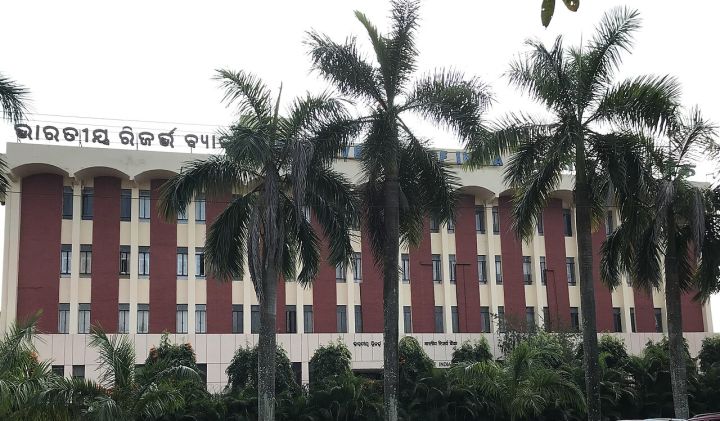
📷 Image: Wikimedia Commons / Subhrasingh
Business
AI and Geopolitical Tensions Flagged as Growing Threats to India's Financial Stability at RBI SAMVAD 2026
✍️ LatestLY
🗓 21 Oct 2026, 02:16 PM
👁 6
Experts at the RBI SAMVAD 2026 conference warned that rapid AI deployment in finance and heightened geopolitical tensions are emerging risks to the stability of India's financial system.
At the Reserve Bank of India's SAMVAD 2026 forum, senior economists and market analysts highlighted two emerging forces that could destabilise the country's financial ecosystem. The first is the accelerating integration of artificial intelligence into banking, payments and asset‑management platforms, which, while offering efficiency gains, also raises concerns about model risk, data security and systemic contagion if AI‑driven decisions fail.
The second risk stems from escalating geopolitical tensions worldwide, including trade frictions and regional conflicts that can trigger capital outflows, currency volatility and disruptions to cross‑border funding channels. Participants noted that such external shocks have historically amplified stress in emerging markets and could do so again if not closely monitored.
Both groups of experts called for a coordinated regulatory response, urging the RBI to strengthen supervisory frameworks for AI applications and to enhance stress‑testing scenarios that incorporate geopolitical shock variables. They also recommended greater information sharing between domestic regulators and international counterparts to anticipate and mitigate spill‑over effects.
While no specific policy measures were announced, the consensus was clear: proactive oversight and robust risk‑assessment tools are essential to safeguard India's financial stability amid these evolving challenges.