
📷 Image: Wikimedia Commons / Suraj Digrase
Religion
300-Year-Old Mahalakshmi Temple in Wada, Sagar Opens Only Twice a Year
✍️ Amar Ujala · Sagar
🗓 07 Nov 2026, 03:18 PM
👁 10
The 300‑year‑old Mahalakshmi Temple in Wada, Sagar, built during the Maratha era and echoing Kolhapur’s architecture, is open to devotees only on two annual festivals, from sunrise to sunset.
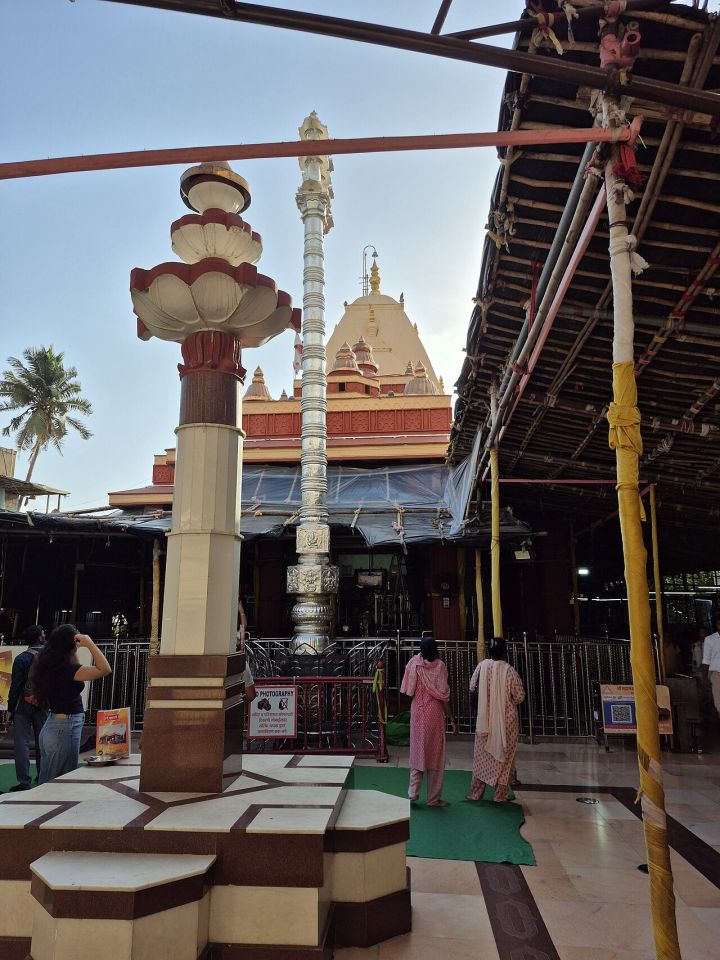
The Mahalakshmi Temple situated in the town of Wada in Sagar district, Madhya Pradesh, dates back roughly three centuries to the Maratha period. Its design closely mirrors the traditional Kolhapur style, featuring ornate pillars and a sanctum that reflects the craftsmanship of that era.
Unlike most temples that operate daily, this shrine follows a highly restricted schedule. The sanctum doors are unlocked only twice a year, coinciding with two major local festivals. During these days, the temple remains open from dawn until nightfall, allowing pilgrims to perform rituals and offer prayers.
The limited opening has turned the festival days into major gatherings, drawing devotees from surrounding villages and towns. Authorities and temple trustees maintain the heritage structure, ensuring that the rare access does not compromise its preservation.
Local officials note that the temple’s unique operating pattern underscores both its historical significance and the community’s reverence for tradition, making each opening a culturally significant event in the region.