
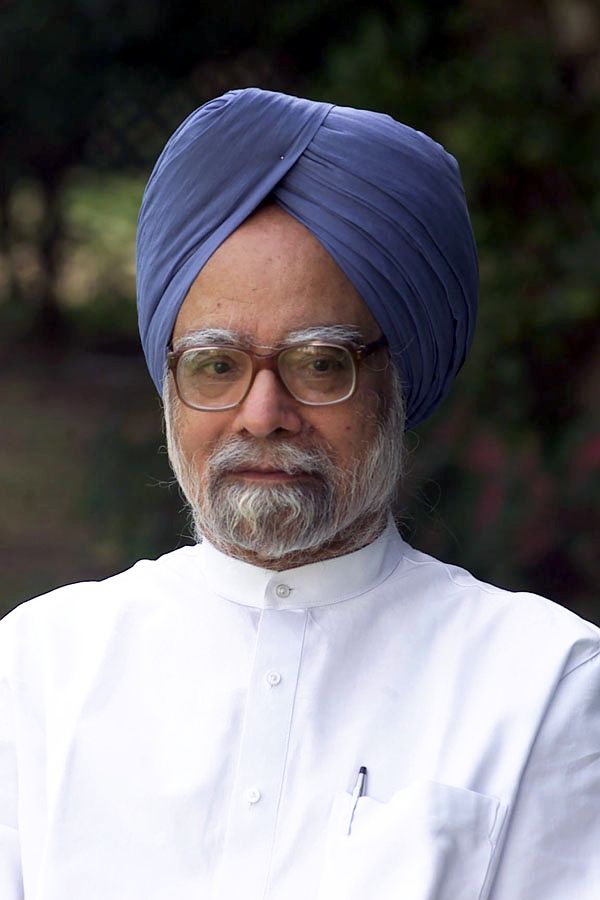
📷 Image: Wikimedia Commons / Prime Minister's Office
Business
1991: India’s Landmark Economic Reforms and Their Architects
✍️ NDTV
🗓 25 Jul 2026, 04:49 AM
👁 34
In 1991, India launched sweeping economic reforms that reshaped its market, led by Finance Minister Manmohan Singh under Prime Minister P.V. Narasimha Rao.
In 1991 India faced a severe balance‑of‑payments crisis, with foreign reserves falling below $1.5 billion and a looming default on external debt.
The government, headed by Prime Minister P.V. Narasimha Rao, appointed economist Dr. Manmohan Singh as Finance Minister. Singh drafted a package that opened up the economy to foreign investment, reduced import tariffs, devalued the rupee, and deregulated key sectors.
The reforms, announced in July 1991, marked a shift from the license‑based system to a more market‑oriented framework, laying the groundwork for India’s rapid growth in the decades that followed.
The policy changes were met with both support and criticism, but they are widely regarded as the turning point that integrated India into the global economy.
The government, headed by Prime Minister P.V. Narasimha Rao, appointed economist Dr. Manmohan Singh as Finance Minister. Singh drafted a package that opened up the economy to foreign investment, reduced import tariffs, devalued the rupee, and deregulated key sectors.
The reforms, announced in July 1991, marked a shift from the license‑based system to a more market‑oriented framework, laying the groundwork for India’s rapid growth in the decades that followed.
The policy changes were met with both support and criticism, but they are widely regarded as the turning point that integrated India into the global economy.