
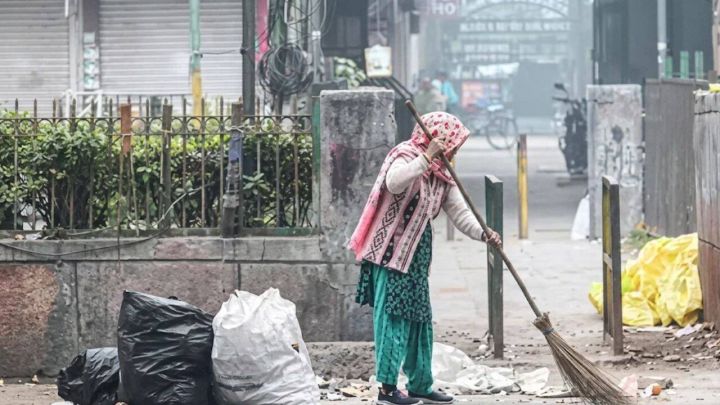
📷 Image: TOI City (via NewsData)
Health
Study: Sanitation Workers in India Live 11.4 Years Less Than Average
✍️ TOI City
🗓 23 Nov 2026, 09:17 AM
👁 19
A new study reveals that sanitation workers in India have a life expectancy of just 63.8 years, significantly lower than the national average, with occupational hazards and financial burdens cited as key factors.
A recent study has highlighted the severe health disparities faced by sanitation workers in India, revealing that their average life expectancy stands at only 63.8 years. This figure is approximately 11.4 years lower than the general population, underscoring the critical impact of their working conditions on longevity.
The data indicates that urban male sanitation workers face an even shorter lifespan compared to their female counterparts in the same sector. The study attributes this significant gap to the high frequency of occupational hazards inherent in the job, which expose workers to toxic environments and physical risks on a daily basis.
Furthermore, the report points to the substantial financial burden associated with healthcare access among these workers. The combination of hazardous working conditions and limited economic resources creates a cycle that exacerbates health risks, leading to a mortality rate that is disproportionately high.
Poisoning was identified as a leading cause of death, accounting for 30.2% of fatalities among the group. These findings emphasize the urgent need for improved safety protocols and better healthcare support for those engaged in manual sanitation work across the country.