
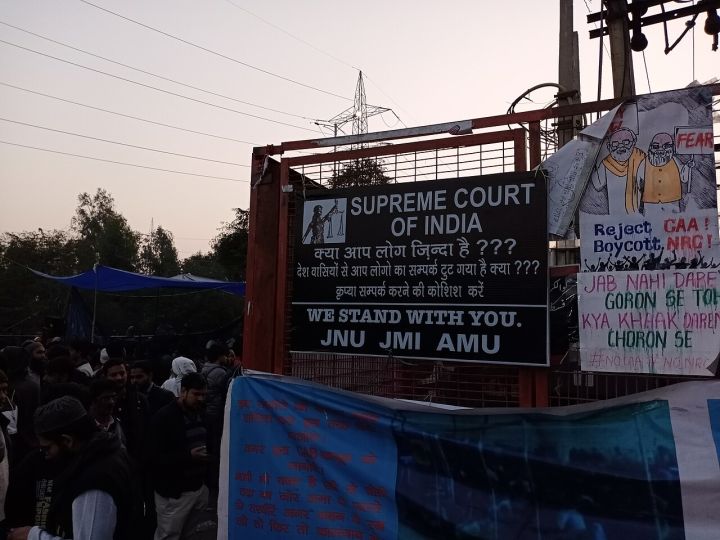
📷 Image: Wikimedia Commons / DTM
Crime
Supreme Court Rules No Coercive Action in Journalist's Molestation Case During Delhi Protest
✍️ NDTV
🗓 16 Oct 2026, 06:18 AM
👁 13
The Supreme Court has ruled that no coercive action was taken by a police officer during a molestation incident involving a journalist at a Delhi protest.
The Supreme Court delivered a verdict on the case of a journalist who alleged molestation by a police officer during a protest in Delhi. The court examined the evidence presented by both parties, including video footage and eyewitness accounts, and concluded that the officer did not use any coercive force in the incident.
In its judgment, the court highlighted that the actions of the police officer were within the bounds of lawful conduct and that the allegations of molestation could not be substantiated beyond reasonable doubt. The court emphasized the importance of maintaining a clear distinction between lawful crowd control measures and unlawful harassment.
The ruling has implications for police conduct during public demonstrations, underscoring the need for officers to adhere to established protocols and respect the rights of journalists and protestors alike. It also signals the judiciary’s willingness to scrutinise claims of misconduct in high‑profile protest settings.
Legal experts note that while the verdict clears the officer of criminal liability, it may prompt a review of training and accountability mechanisms for law enforcement officers who interact with media personnel during civil unrest.
In its judgment, the court highlighted that the actions of the police officer were within the bounds of lawful conduct and that the allegations of molestation could not be substantiated beyond reasonable doubt. The court emphasized the importance of maintaining a clear distinction between lawful crowd control measures and unlawful harassment.
The ruling has implications for police conduct during public demonstrations, underscoring the need for officers to adhere to established protocols and respect the rights of journalists and protestors alike. It also signals the judiciary’s willingness to scrutinise claims of misconduct in high‑profile protest settings.
Legal experts note that while the verdict clears the officer of criminal liability, it may prompt a review of training and accountability mechanisms for law enforcement officers who interact with media personnel during civil unrest.