
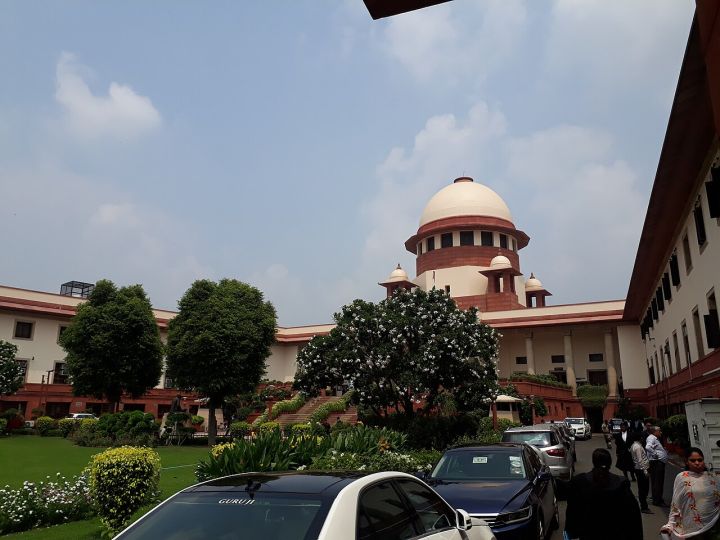
📷 Image: Wikimedia Commons / Pinakpani
Crime
Supreme Court Rejects Shivshankar Sharma's SLP, Upholds Jharkhand High Court, ₹25,000 Fine
✍️ Amar Ujala · Madhya Pradesh
🗓 30 Oct 2026, 06:35 AM
👁 19
The Supreme Court upheld the Jharkhand High Court’s order, dismissed Shivshankar Sharma’s special leave petition and levied an additional fine of ₹25,000 for alleged illegal registration of government land.
The apex court has delivered a decisive ruling in a case concerning alleged illegal registration of government and non‑agricultural land in Jharkhand. Shivshankar Sharma, who had approached the Supreme Court through a Special Leave Petition, saw his plea dismissed as the bench chose to retain the earlier verdict of the Jharkhand High Court.
The High Court had previously found Sharma liable for registering land that does not belong to him, a charge that falls under provisions dealing with fraudulent land records. By refusing the SLP, the Supreme Court effectively affirmed that judgment and signalled that the lower court’s findings were sound.
In addition to upholding the conviction, the Supreme Court imposed a fresh penalty of ₹25,000 on Sharma. The fine is intended to reinforce the seriousness of tampering with official land registers and to deter similar violations in the future.
Legal experts note that the decision underscores the judiciary’s intolerance for attempts to manipulate land records, especially those involving state‑owned property. The ruling may prompt stricter scrutiny of land registration processes across the region.