
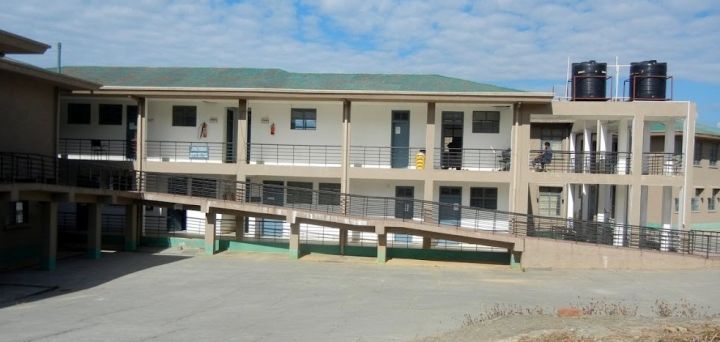
📷 Image: Wikimedia Commons / Tluanga Colney
Agriculture
Mizoram Dispatches Muga Silkworm Seed to Assam and Meghalaya
✍️ Northeast Today
🗓 30 Sep 2026, 07:31 PM
👁 12
Mizoram's agriculture department has sent certified Muga silkworm seed to the neighboring states of Assam and Meghalaya to boost sericulture.
The Mizoram Department of Agriculture announced that it has transferred a batch of certified Muga silkworm seed to the state governments of Assam and Meghalaya. The move aims to expand sericulture in the northeastern region, where Muga silk—renowned for its natural golden hue—has traditionally been confined to Assam.
Officials said the seed will be allocated to selected farmers in both states after a brief orientation program on rearing practices. By providing high‑quality breeding material, Mizoram hopes to enhance yield, generate additional rural income, and create a more resilient supply chain for Muga silk.
The initiative is part of a broader inter‑state collaboration to diversify agricultural portfolios and promote niche cash crops. Authorities in Assam and Meghalaya have welcomed the assistance, noting that it complements ongoing efforts to revive traditional silk production and tap into growing domestic and export demand.
If successful, the program could serve as a model for other northeastern states seeking to leverage region‑specific resources for sustainable livelihood generation.
Officials said the seed will be allocated to selected farmers in both states after a brief orientation program on rearing practices. By providing high‑quality breeding material, Mizoram hopes to enhance yield, generate additional rural income, and create a more resilient supply chain for Muga silk.
The initiative is part of a broader inter‑state collaboration to diversify agricultural portfolios and promote niche cash crops. Authorities in Assam and Meghalaya have welcomed the assistance, noting that it complements ongoing efforts to revive traditional silk production and tap into growing domestic and export demand.
If successful, the program could serve as a model for other northeastern states seeking to leverage region‑specific resources for sustainable livelihood generation.