
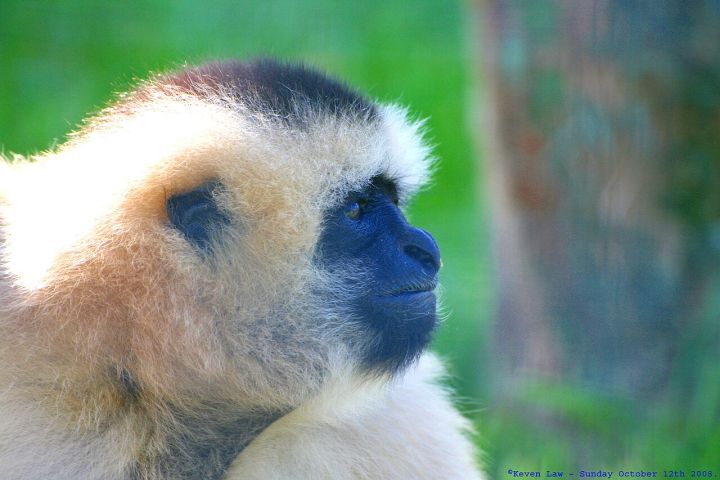
📷 Image: Wikimedia Commons / Keven Law from Los Angeles, USA
National
Meghalaya, Assam, Tripura Forest Staff Join Forces for Hoolock Gibbon Conservation
✍️ Hub News
🗓 03 Nov 2026, 05:32 PM
👁 15
Forest personnel from Meghalaya, Assam, and Tripura have participated in a joint training program focused on the conservation of the Hoolock Gibbon.
Forest department officials from Meghalaya, Assam, and Tripura have come together to enhance their skills in wildlife protection. The primary focus of this collaborative effort is the conservation of the Hoolock Gibbon, a primate species that inhabits the forested regions of these northeastern Indian states.
The training program was designed to foster inter-state cooperation among forest personnel. By sharing best practices and conservation strategies, the officials aim to create a unified approach to protecting the Hoolock Gibbon population across their respective jurisdictions.
This joint initiative highlights the importance of regional collaboration in addressing wildlife challenges. The Hoolock Gibbon, known for its arboreal lifestyle, requires coordinated efforts across state borders to ensure its long-term survival and habitat protection.
The participation of staff from all three states underscores a shared commitment to biodiversity conservation in the Northeast. Such training sessions are crucial for equipping field officers with the necessary tools to monitor and protect these vulnerable species effectively.