
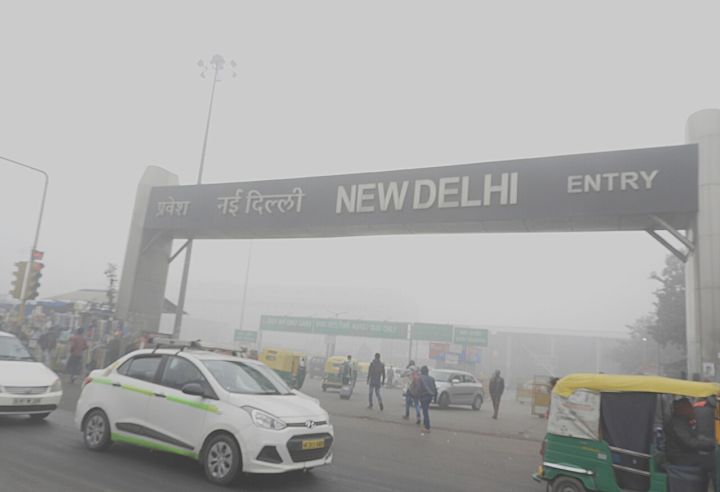
📷 Image: Wikimedia Commons / Sumita Roy Dutta
Weather
Delhi's AQI Surpasses 450 Ahead of Diwali, Raising Health Concerns
✍️ India Today
🗓 04 Nov 2026, 01:32 PM
👁 10
The capital’s Air Quality Index climbed above 450, a hazardous level, as Diwali approaches, prompting warnings from officials.
Delhi recorded an Air Quality Index (AQI) reading that crossed the 450 mark, placing the city in the "severe" pollution category. The spike was observed in the days leading up to the Diwali festival, a period traditionally associated with increased particulate matter due to firecracker use.
Health experts have warned that exposure to such high pollution levels can aggravate respiratory conditions, eye irritation, and cardiovascular stress. The Delhi Pollution Control Committee has advised residents to limit outdoor activities, wear N95 masks, and keep windows closed.
Comparisons with last year’s pre‑Diwali readings show a similar upward trend, though officials note that the current figure is marginally higher. Authorities are monitoring the situation closely and have hinted at stricter enforcement of firecracker bans if air quality deteriorates further.
The city’s municipal bodies are also accelerating green initiatives, such as expanding tree‑planting drives and promoting cleaner fuel alternatives, to mitigate the immediate health risks and long‑term environmental impact.