
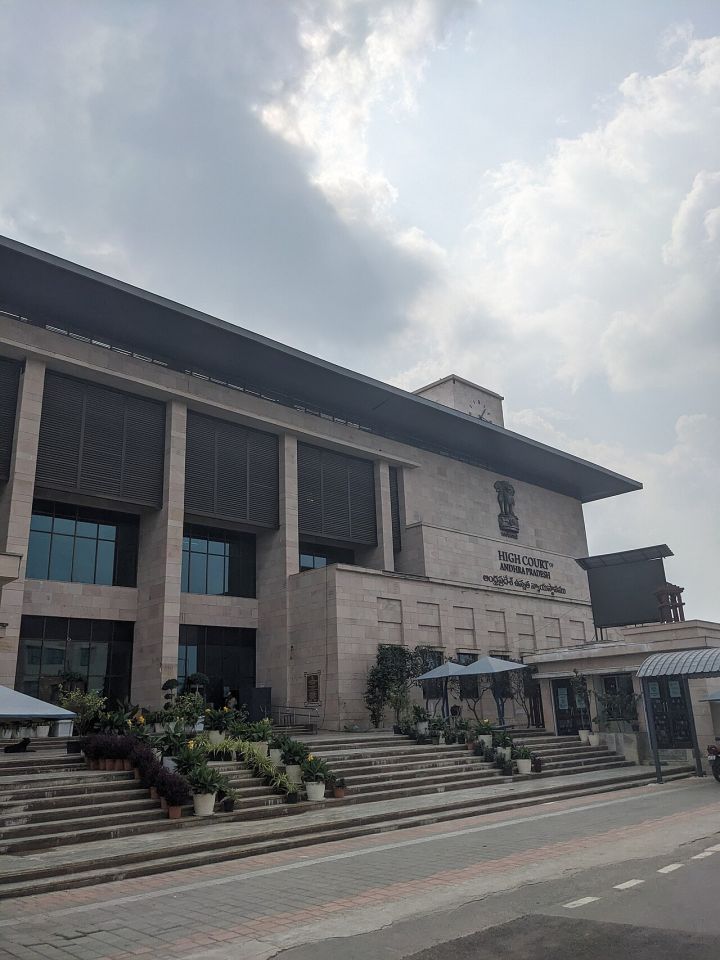
📷 Image: Wikimedia Commons / Saiphani02
Politics
Andhra Pradesh High Court Calls for End to Colonial‑Era Policing
✍️ The Indian Express
🗓 06 Oct 2026, 07:33 PM
👁 13
The Andhra Pradesh High Court ruled that India’s policing framework, rooted in colonial times, must be overhauled to meet modern democratic standards.
The Andhra Pradesh High Court issued a landmark observation that the country’s policing structure still bears the imprint of colonial rule and should be reformed. In its judgment, the bench emphasized that a police force designed for control rather than service is incompatible with a democratic society. The court urged the state government and central authorities to initiate comprehensive legislative and administrative changes to align policing with constitutional values.
Legal experts noted that the ruling adds momentum to long‑standing demands for police reforms, including greater accountability, community‑oriented policing, and removal of hierarchical practices inherited from the British era. The court’s statement does not prescribe specific measures but signals judicial support for a systemic overhaul.
The decision arrives amid nationwide debates on police modernization, with several states already reviewing their police acts. Stakeholders, including civil‑society groups and law‑enforcement officials, are expected to submit proposals to the court within the stipulated timeframe.
While the judgment focuses on structural reforms, the court also highlighted the need for training programs that emphasize human rights and citizen engagement. It called for the establishment of independent oversight bodies to monitor police conduct.
The Andhra Pradesh High Court’s pronouncement is likely to influence policy discussions at both state and central levels, potentially shaping the future trajectory of India’s law‑enforcement institutions.
Legal experts noted that the ruling adds momentum to long‑standing demands for police reforms, including greater accountability, community‑oriented policing, and removal of hierarchical practices inherited from the British era. The court’s statement does not prescribe specific measures but signals judicial support for a systemic overhaul.
The decision arrives amid nationwide debates on police modernization, with several states already reviewing their police acts. Stakeholders, including civil‑society groups and law‑enforcement officials, are expected to submit proposals to the court within the stipulated timeframe.
While the judgment focuses on structural reforms, the court also highlighted the need for training programs that emphasize human rights and citizen engagement. It called for the establishment of independent oversight bodies to monitor police conduct.
The Andhra Pradesh High Court’s pronouncement is likely to influence policy discussions at both state and central levels, potentially shaping the future trajectory of India’s law‑enforcement institutions.