
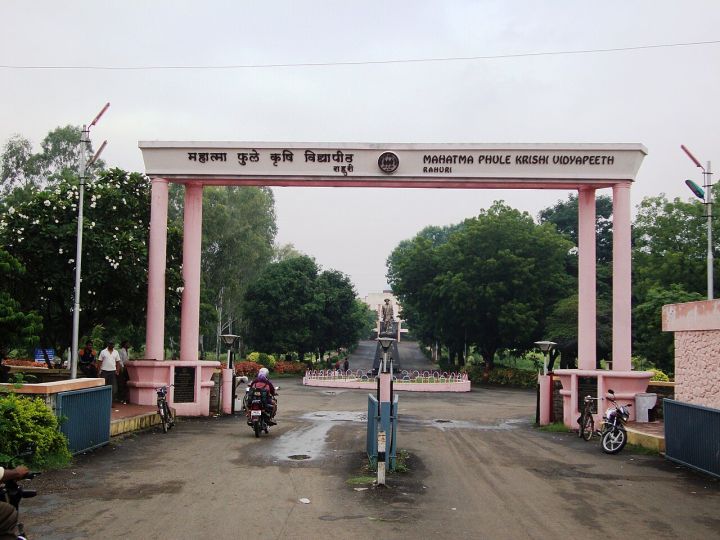
📷 Image: Wikimedia Commons / Aaakashs
Agriculture
29 Sikkim Krishi Sakhis Receive Sustainable Farming Training at Umiam Hub
✍️ Hub News
🗓 31 Oct 2026, 02:10 AM
👁 12
Twenty‑nine Krishi Sakhis from Sikkim completed a sustainable farming workshop at the Umiam Hub in Meghalaya, gaining skills in eco‑friendly cultivation techniques.
Twenty‑nine Krishi Sakhis from Sikkim arrived at the Umiam Hub in Meghalaya on Tuesday for a three‑day training programme focused on sustainable agriculture. The workshop, organised by the state’s Department of Agriculture in partnership with local NGOs, covered topics such as organic fertiliser use, water‑conservation methods and integrated pest management.
Participants were taught how to implement crop‑rotation schedules that improve soil health and reduce dependency on chemical inputs. Demonstrations included composting techniques and the use of bio‑fertilisers derived from locally available materials.
The training is part of a broader initiative to empower women farmers across the country with modern, eco‑friendly practices. Officials said the skills gained will help the Krishi Sakhis increase yields while preserving the fragile ecosystems of the Himalayan region.
Following the workshop, the participants will return to Sikkim to share their knowledge with local farming communities and help promote sustainable livelihoods in the state.