
📷 Image: Times of India (via NewsData)
International
US DST Ends Nov 1: Clocks Fall Back, Senate Bill Stalls Despite Bipartisan Push
✍️ Times of India
🗓 02 Nov 2026, 04:49 AM
👁 15
Daylight saving time concluded in the US on November 1, 2026, giving citizens an extra hour of sleep. However, legislative efforts to make the time change permanent have stalled in the Senate.
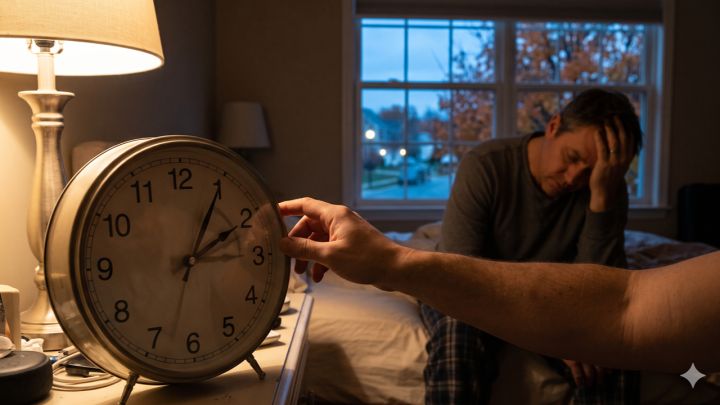
The annual shift out of daylight saving time in the United States was completed on November 1, 2026. As per the standard schedule, clocks were turned back by one hour, resulting in darker evenings and providing residents with an additional hour of sleep. This routine change marks the end of the summer time period for the year.
Despite the routine nature of the clock change, the debate over the future of daylight saving time remains a significant political issue. There is ongoing discussion regarding whether the US should adopt a permanent standard time or maintain the current system of switching twice a year. Sleep experts have voiced objections to the current bi-annual switching, citing its negative impact on human sleep cycles.
Legislative action to resolve this debate has faced hurdles. Although the House of Representatives has shown bipartisan support for legislation aimed at making the time change permanent, the bill has stalled in the Senate. The lack of final approval means the US will continue to observe the traditional time transitions in the coming years.
Public opinion appears to lean towards maintaining standard time rather than adopting permanent daylight saving time. This preference is largely driven by health considerations, specifically the alignment of daily schedules with natural sleep cycles. The stalled legislation highlights the complexity of implementing a nationwide change to timekeeping norms.