
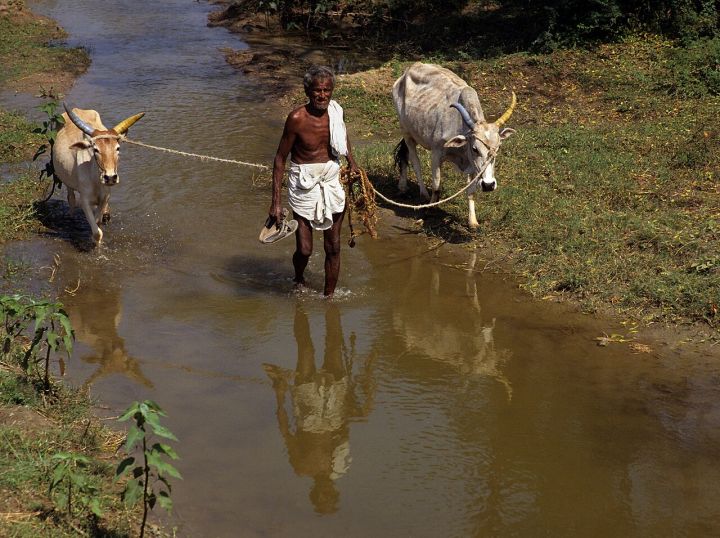
📷 Image: Wikimedia Commons / Michael Gäbler
Agriculture
Tamil Nadu Government to Offer Fine Rice at Rs 30/kg Amid Market Spike to Rs 85
✍️ India Today
🗓 17 Oct 2026, 06:08 AM
👁 12
The Tamil Nadu administration announced it will sell fine rice at Rs 30 per kilogram as open‑market rates have surged to Rs 85 per kilogram.
The state government of Tamil Nadu, led by Chief Minister Vijay, has decided to intervene in the rice market by offering fine rice at a subsidised price of Rs 30 per kilogram. This move comes as the prevailing market price for the same quality of rice has risen sharply to around Rs 85 per kilogram, putting pressure on low‑income households.
According to the announcement, the subsidised rice will be made available through the state's public distribution system, ensuring that the benefit reaches eligible families across the state. Officials indicated that the scheme aims to provide immediate relief while the government monitors price trends.
The decision reflects the administration's broader effort to curb inflationary pressures on essential food items. By setting a lower price point, the government hopes to stabilize consumer sentiment and prevent further escalation in staple food costs.
Stakeholders, including traders and consumer groups, have been urged to cooperate with the distribution plan to avoid shortages or hoarding. The government has not disclosed the exact duration of the scheme, stating it will be reviewed based on market conditions.
This intervention underscores the challenges faced by state authorities in managing food security amid volatile commodity prices, a concern that resonates across many Indian states.
According to the announcement, the subsidised rice will be made available through the state's public distribution system, ensuring that the benefit reaches eligible families across the state. Officials indicated that the scheme aims to provide immediate relief while the government monitors price trends.
The decision reflects the administration's broader effort to curb inflationary pressures on essential food items. By setting a lower price point, the government hopes to stabilize consumer sentiment and prevent further escalation in staple food costs.
Stakeholders, including traders and consumer groups, have been urged to cooperate with the distribution plan to avoid shortages or hoarding. The government has not disclosed the exact duration of the scheme, stating it will be reviewed based on market conditions.
This intervention underscores the challenges faced by state authorities in managing food security amid volatile commodity prices, a concern that resonates across many Indian states.