
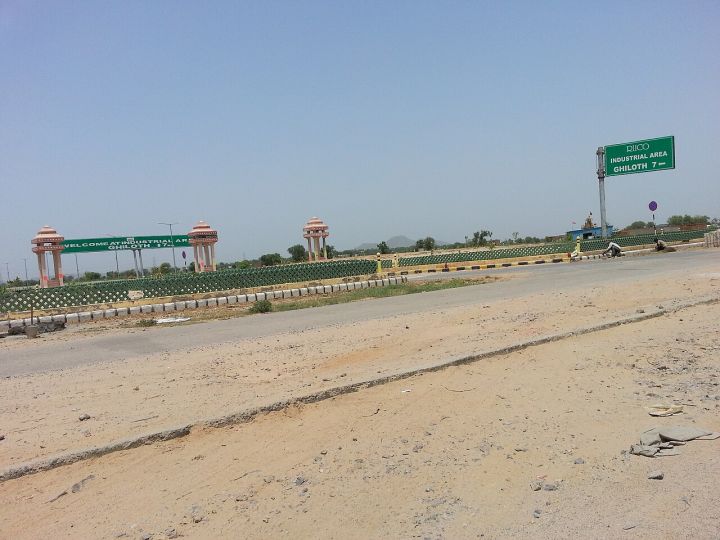
📷 Image: Wikimedia Commons / Oviyan2014
National
Supreme Court orders groundwater assessment for three Rajasthan industrial towns
✍️ Hindustan Times
🗓 10 Nov 2026, 09:03 AM
👁 10
The Supreme Court has directed a detailed groundwater report for three industrial towns in Rajasthan, citing concerns over water sustainability.
The Supreme Court of India has issued a directive for a comprehensive groundwater assessment covering three industrial towns in Rajasthan. The order, delivered during a recent hearing, underscores growing apprehensions about the impact of industrial activity on the state's aquifers.
The court has asked the Rajasthan Water Resources Department to compile data on groundwater levels, extraction rates and quality parameters for the identified towns. It also instructed the department to submit the report within a stipulated timeframe, allowing the judiciary to review the findings before any further action.
Stakeholders, including local industry bodies and environmental groups, have been urged to cooperate with the authorities. The move is expected to inform future policy decisions on water allocation and industrial regulation in the region.
If the report reveals unsustainable extraction, the court may consider remedial measures such as stricter licensing, mandatory water recycling or penalties for non‑compliance. The directive reflects the judiciary's increasing role in addressing environmental challenges linked to rapid industrialisation.
The towns under scrutiny have not been named publicly, but the focus remains on ensuring that groundwater resources are managed responsibly to meet both industrial and community needs.