
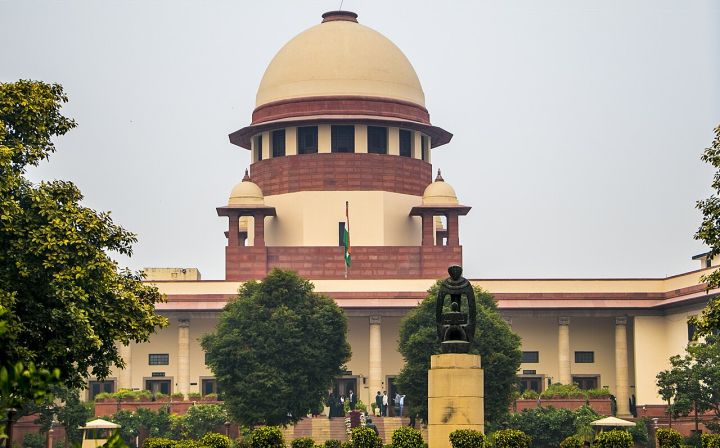
📷 Image: Wikimedia Commons / Subhashish Panigrahi
Crime
Supreme Court Halts Death Penalty for 2008 Ahmedabad Blast Operative
✍️ orissapost.com
🗓 01 Oct 2026, 06:37 PM
👁 10
In a landmark decision, the Supreme Court of India has stayed the death penalty for the individual convicted in the 2008 Ahmedabad bomb blasts, citing procedural concerns.
The Supreme Court of India has issued a stay on the death sentence imposed on an operative linked to the 2008 Ahmedabad bomb blasts. The decision, announced in a recent judgment, cites procedural lapses in the trial that warrant a review of the conviction and sentencing. The operative, identified as a member of the Indian Mujahideen, was originally sentenced to death by a lower court following the investigation into the coordinated bomb attacks that killed dozens and injured many in Ahmedabad.
The stay does not dismiss the charges but temporarily suspends the execution of the death penalty while the court examines the evidence and legal process. The judgment emphasizes the need for a fair trial and adherence to constitutional safeguards before a capital punishment is carried out. The case remains under scrutiny, and the Supreme Court has directed the lower courts to re‑evaluate the proceedings in light of the identified procedural shortcomings.
Lawyers and legal experts note that such stays are common in high‑profile terrorism cases where procedural errors may compromise the integrity of the verdict. The decision underscores the judiciary’s role in ensuring that the death penalty is applied only after exhaustive and transparent judicial scrutiny.
The stay does not dismiss the charges but temporarily suspends the execution of the death penalty while the court examines the evidence and legal process. The judgment emphasizes the need for a fair trial and adherence to constitutional safeguards before a capital punishment is carried out. The case remains under scrutiny, and the Supreme Court has directed the lower courts to re‑evaluate the proceedings in light of the identified procedural shortcomings.
Lawyers and legal experts note that such stays are common in high‑profile terrorism cases where procedural errors may compromise the integrity of the verdict. The decision underscores the judiciary’s role in ensuring that the death penalty is applied only after exhaustive and transparent judicial scrutiny.