
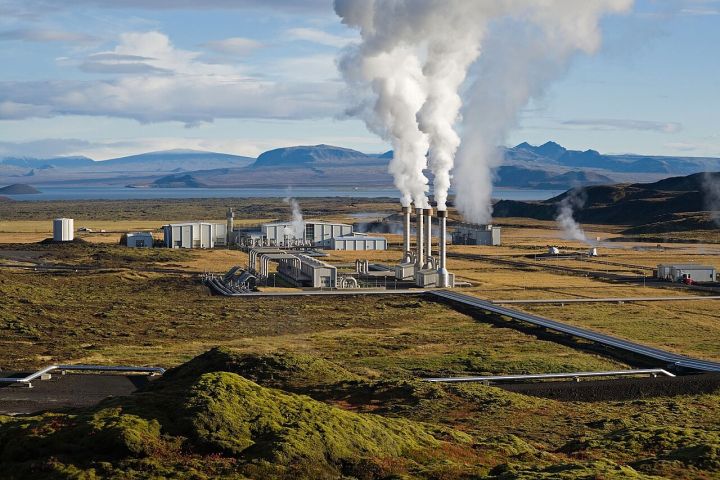
📷 Image: Wikimedia Commons / Gretar Ívarsson – Edited by Fir0002
Science
Six Haryana thermal power plants miss biomass co-firing targets, CPCB says
✍️ Hindustan Times
🗓 17 Oct 2026, 11:16 AM
👁 7
The Central Pollution Control Board reports that six thermal power stations in Haryana have failed to meet the mandated biomass co‑firing percentages, breaching environmental norms.
The Central Pollution Control Board (CPCB) has identified six thermal power plants in Haryana that did not achieve the required share of biomass in their fuel mix, as stipulated under the national co‑firing guidelines. The board’s monitoring data shows that these stations fell short of the target set for integrating renewable biomass with coal, a measure aimed at reducing carbon emissions.
CPCB officials highlighted that non‑compliance could trigger regulatory action, including penalties or directives to improve fuel management practices. The board urged the plant operators to adopt corrective measures promptly to align with the stipulated biomass co‑firing ratio.
The shortfall underscores the challenges faced by the state’s power sector in meeting India’s broader clean‑energy objectives. Authorities are expected to review the findings and work with the plants to ensure future compliance with environmental standards.
Stakeholders in the energy and environmental sectors are watching the development closely, as it may influence policy enforcement and the pace of renewable integration across other thermal facilities in the country.
CPCB officials highlighted that non‑compliance could trigger regulatory action, including penalties or directives to improve fuel management practices. The board urged the plant operators to adopt corrective measures promptly to align with the stipulated biomass co‑firing ratio.
The shortfall underscores the challenges faced by the state’s power sector in meeting India’s broader clean‑energy objectives. Authorities are expected to review the findings and work with the plants to ensure future compliance with environmental standards.
Stakeholders in the energy and environmental sectors are watching the development closely, as it may influence policy enforcement and the pace of renewable integration across other thermal facilities in the country.