
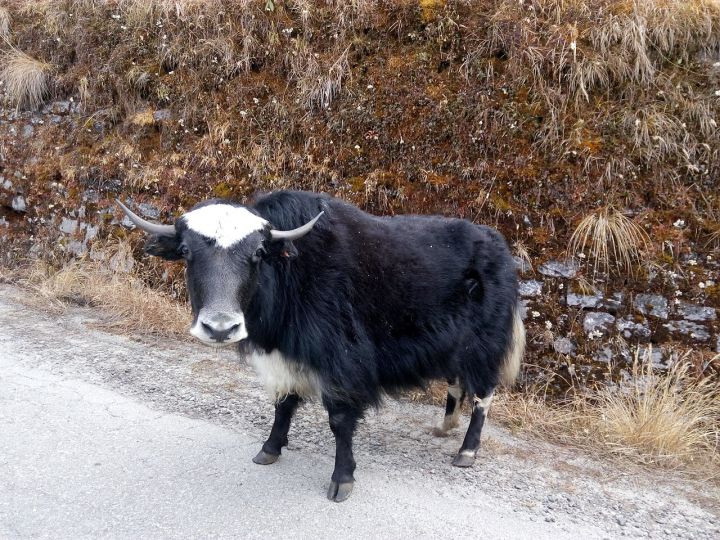
📷 Image: Wikimedia Commons / Srudchandran
Agriculture
Sikkim Holds First Yak Festival to Boost Conservation and Border Livelihoods
✍️ Sikkimexpress
🗓 29 Oct 2026, 03:13 AM
👁 10
Sikkim inaugurated its inaugural Yak Festival, spotlighting the animal's role in high‑altitude ecosystems and the economic well‑being of border communities.
Gangtok, Sikkim – The northeastern state celebrated the launch of its first Yak Festival, an event designed to raise awareness about the importance of yaks in the fragile Himalayan environment. Organisers highlighted how the animal supports biodiversity, soil health and tourism in the high‑altitude zones that border neighboring countries.
The festival brought together yak herders, conservationists and local officials for cultural performances, exhibitions of yak‑derived products and informal discussions on sustainable grazing practices. Participants emphasized that preserving yak populations directly influences the livelihoods of families living in remote border villages, where livestock remains a primary source of income.
State authorities indicated that the festival will become an annual platform to promote both wildlife protection and economic development in the region. By showcasing the symbiotic relationship between the animal and border communities, the event aims to foster policies that balance ecological stewardship with the needs of local people.
The inaugural edition also served as a reminder of the strategic significance of the Himalayan frontier, where traditional pastoralism coexists with national security considerations. Organisers hope that the festival will attract wider public interest and encourage collaborative efforts for long‑term conservation.
Overall, the Yak Festival marked a milestone for Sikkim, positioning the state as a proactive player in Himalayan conservation while reinforcing the socio‑economic fabric of its border settlements.