
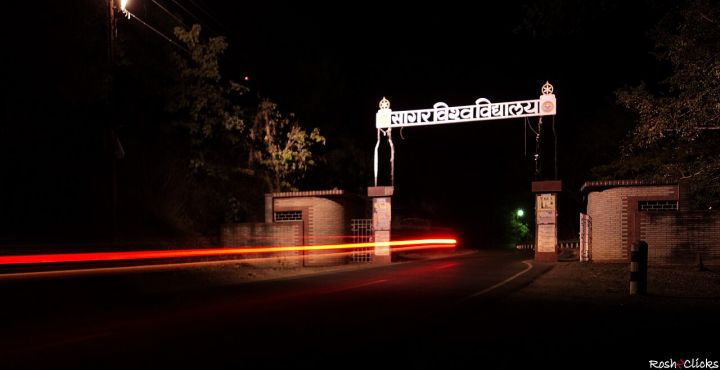
📷 Image: Wikimedia Commons / Roshmyc
Health
Sagar University and Bundelkhand Medical College Launch Joint Research on Cancer, Kidney Disease, TB and Thalassemia
✍️ Amar Ujala · Madhya Pradesh
🗓 01 Nov 2026, 05:01 PM
👁 13
Sagar University and Bundelkhand Medical College have signed an agreement to conduct collaborative research on the causes, diagnosis and treatment of major illnesses such as cancer, kidney disease, tuberculosis and thalassemia.
Sagar University and Bundelkhand Medical College have entered into a formal memorandum of understanding to pursue joint research on several high‑impact diseases. The partnership brings together the university’s science faculty and the medical college’s clinical expertise under a shared framework.
The collaborative agenda targets four priority conditions – cancer, chronic kidney disease, tuberculosis and thalassemia. Researchers will investigate underlying etiologies, refine diagnostic markers and explore novel therapeutic options for each disease.
Both institutions plan to pool laboratory facilities, patient data and graduate students to accelerate the research cycle. Regular workshops and joint publications are slated to disseminate findings within the national medical community.
Officials anticipate that the initiative will strengthen Madhya Pradesh’s capacity to address these health challenges, potentially informing state‑level treatment protocols and improving patient outcomes over the coming years.