
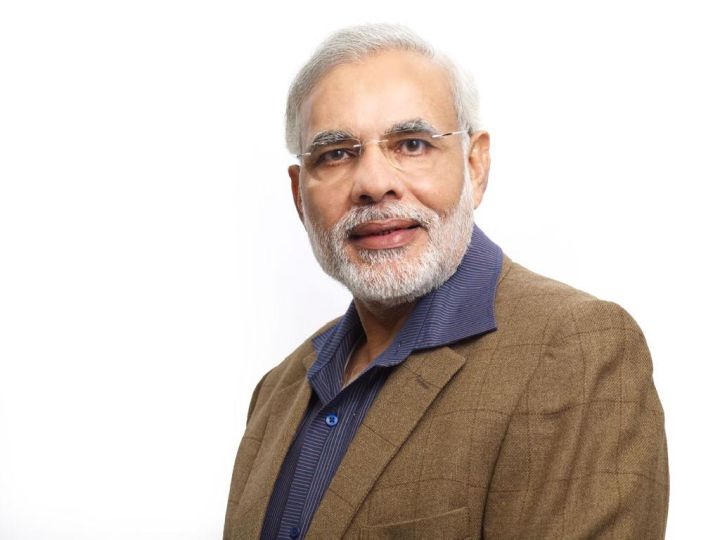
📷 Image: Wikimedia Commons / Narendra Modi
Politics
PM’s ‘Dimaagi Naxal’ Comment Sparks Debate on Dissent and Sedition
✍️ Counterview
🗓 17 Aug 2026, 06:27 AM
👁 22
Prime Minister’s recent remark labeling dissenters as ‘Dimaagi Naxal’ has reignited discussions on the fine line between legitimate dissent and sedition in India.
In a recent statement, the Prime Minister referred to certain dissenting voices as "Dimaagi Naxal," a term that has sparked renewed debate over the boundaries of lawful dissent and sedition.
The remark was made during a public address where the Prime Minister highlighted the need to safeguard national security while addressing grievances. Critics argue that labeling dissent as a form of sedition may stifle free expression.
Legal experts note that the distinction between dissent and sedition is defined by the Indian Penal Code, and any broad categorization risks infringing on constitutional rights.
The comment has prompted responses from opposition leaders, civil society groups, and legal scholars, all calling for a clearer understanding of the limits of dissent.
Observers say the debate will likely influence future policy discussions on freedom of speech and national security measures.
The remark was made during a public address where the Prime Minister highlighted the need to safeguard national security while addressing grievances. Critics argue that labeling dissent as a form of sedition may stifle free expression.
Legal experts note that the distinction between dissent and sedition is defined by the Indian Penal Code, and any broad categorization risks infringing on constitutional rights.
The comment has prompted responses from opposition leaders, civil society groups, and legal scholars, all calling for a clearer understanding of the limits of dissent.
Observers say the debate will likely influence future policy discussions on freedom of speech and national security measures.