
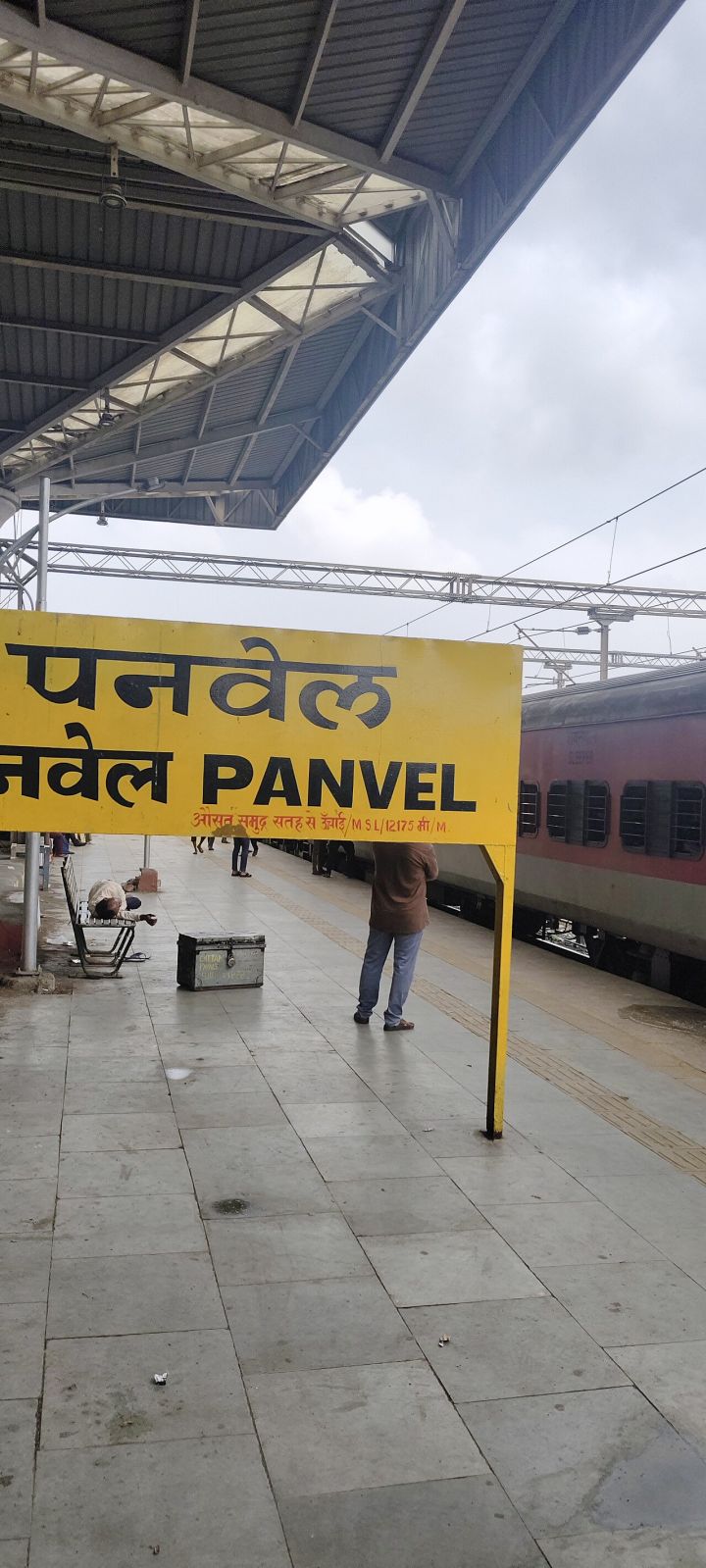
📷 Image: Wikimedia Commons / Sujithshivam511
Health
Panvel Residents Call for Immediate Mosquito Control to Stop Breeding Sites
✍️ Free Press Journal
🗓 18 Nov 2026, 09:45 AM
👁 32
Residents of Panvel, Maharashtra, are urging local authorities to eliminate stagnant water and other mosquito‑breeding sites after a sharp rise in mosquito activity.
Panvel, a satellite town of Mumbai in Maharashtra, has seen a noticeable increase in mosquito activity, prompting residents to voice concerns over public health risks. Citizens have reported that clogged drains, uncovered water tanks and neglected construction sites are providing ideal breeding grounds for the insects.
Local neighbourhood groups have organized petitions and held meetings with the Panvel Municipal Council, demanding swift action to clear stagnant water, clean drainage networks and conduct fogging operations before the monsoon season intensifies. They warn that unchecked mosquito proliferation could heighten the risk of dengue, chikungunya and malaria outbreaks in the area.
The municipal authorities have acknowledged the complaints and said a field survey would be conducted within the next few days. Officials have pledged to mobilise sanitation workers and deploy vector‑control teams, but residents remain skeptical until tangible results are seen on the ground.
Health officials from the Maharashtra State Health Department have reiterated the importance of community participation, urging households to eliminate any standing water around their premises and report breeding sites promptly.
The issue underscores the broader challenge of urban sanitation in rapidly expanding satellite towns, where infrastructure gaps often create environments conducive to disease‑carrying vectors.