
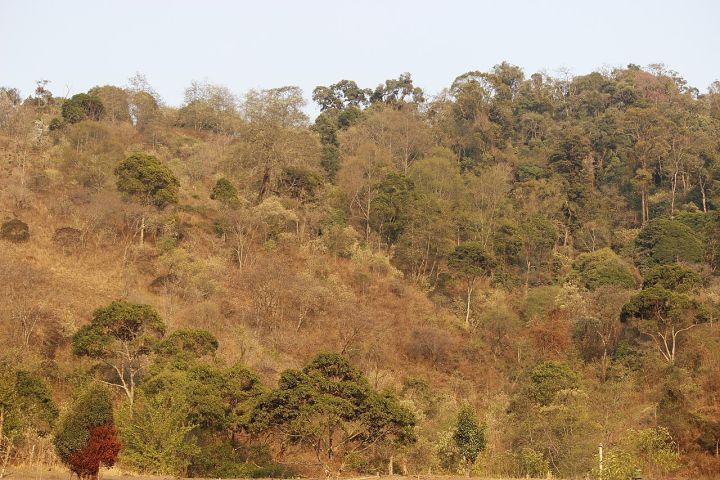
📷 Image: Wikimedia Commons / Joli Rumi
Politics
Nagaland forest officer cautions against misuse of Article 371A in wildlife controversy
✍️ India Today NE
🗓 09 Oct 2026, 05:01 AM
👁 5
A senior forest department official in Nagaland warned that Article 371A should be applied prudently amid a rising wildlife dispute, cautioning against its potential misuse.
A senior official of the Nagaland Forest Department issued a cautionary statement, urging that the state's special constitutional provision, Article 371A, be used judiciously as a wildlife dispute gains attention. The warning follows a recent row over forest and wildlife management in the state, where stakeholders have raised concerns about the interpretation of the article.
Article 371A, embedded in the Indian Constitution, grants Nagaland autonomy over land, resources, and customary law. While it is intended to protect the region's unique cultural and ecological heritage, the official highlighted that any stretch of its provisions beyond intended limits could undermine conservation efforts and legal clarity.
The forest officer emphasized that misapplying the article could set precedents affecting both wildlife protection and tribal rights. He called for dialogue among government agencies, local communities, and environmental groups to ensure that the provision supports sustainable forest governance rather than becoming a tool for political or administrative overreach.
Authorities have not disclosed any immediate policy changes, but the statement signals heightened vigilance as Nagaland navigates the balance between constitutional autonomy and effective wildlife conservation.
Article 371A, embedded in the Indian Constitution, grants Nagaland autonomy over land, resources, and customary law. While it is intended to protect the region's unique cultural and ecological heritage, the official highlighted that any stretch of its provisions beyond intended limits could undermine conservation efforts and legal clarity.
The forest officer emphasized that misapplying the article could set precedents affecting both wildlife protection and tribal rights. He called for dialogue among government agencies, local communities, and environmental groups to ensure that the provision supports sustainable forest governance rather than becoming a tool for political or administrative overreach.
Authorities have not disclosed any immediate policy changes, but the statement signals heightened vigilance as Nagaland navigates the balance between constitutional autonomy and effective wildlife conservation.