
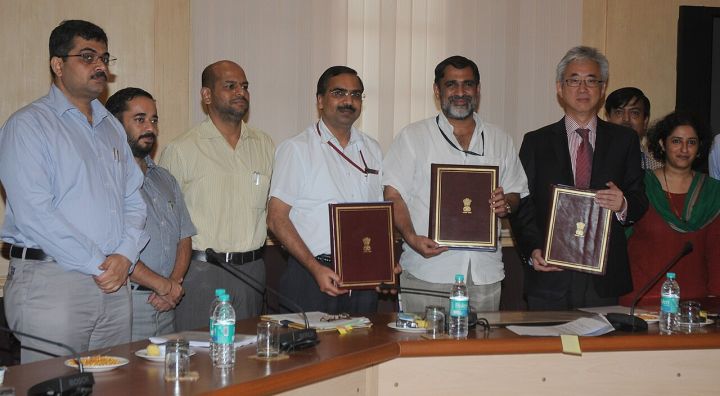
📷 Image: Wikimedia Commons / Ministry of Finance of India
Business
Madhya Pradesh Excise Tax Drives 11% Revenue Rise in First Half of FY2024-25
✍️ Amar Ujala · Madhya Pradesh
🗓 13 Oct 2026, 06:16 PM
👁 11
The state’s three main tax departments collected Rs 44,711 crore in the first six months of FY 2024‑25, an 11.37% increase over the same period last year, with excise tax contributing the largest share.
The Madhya Pradesh finance ministry released its mid‑year fiscal report, showing that the state’s three principal revenue‑generating departments amassed a total of Rs 44,711 crore between April and September 2024. This figure marks an 11.37% rise compared with the same six‑month period of the previous financial year.
Excise duty emerged as the top‑performing source, accounting for the largest portion of the increase. While excise collections surged, the growth rate of commercial tax receipts slowed, indicating a shift in the revenue mix.
Analysts note that the stronger excise performance reflects higher consumption of taxed goods and effective enforcement by the state’s tax authorities. The modest slowdown in commercial tax growth, however, suggests that business activity may be stabilising after a period of rapid expansion.
Overall, the mid‑year numbers point to a healthier fiscal position for the Mohan‑led government, providing greater fiscal space for development projects and welfare schemes in the latter half of the year.
Excise duty emerged as the top‑performing source, accounting for the largest portion of the increase. While excise collections surged, the growth rate of commercial tax receipts slowed, indicating a shift in the revenue mix.
Analysts note that the stronger excise performance reflects higher consumption of taxed goods and effective enforcement by the state’s tax authorities. The modest slowdown in commercial tax growth, however, suggests that business activity may be stabilising after a period of rapid expansion.
Overall, the mid‑year numbers point to a healthier fiscal position for the Mohan‑led government, providing greater fiscal space for development projects and welfare schemes in the latter half of the year.