
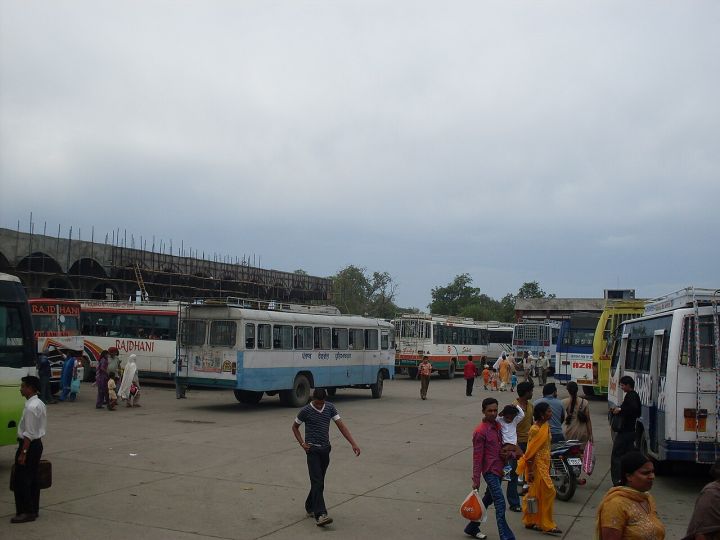
📷 Image: Wikimedia Commons / Gopal1035
Local
Lok Adalat in Hoshiarpur Settles 226 Cases in Single Session
✍️ Amar Ujala · Jalandhar
🗓 21 Nov 2026, 06:02 PM
👁 27
A Lok Adalat held in Hoshiarpur resolved 226 pending cases, aiming to ease the court backlog. The session was part of the regular dispute‑resolution drive by the district judiciary.
Hoshiarpur, Punjab – A Lok Adalat convened in the city successfully settled 226 pending disputes in a single sitting. The forum, which provides an alternative mechanism for amicable resolution of civil and certain criminal matters, was organized under the auspices of the district court.
The cases ranged from family and property disputes to small‑scale financial claims, all of which were resolved through mutual agreement without formal litigation. Participants were encouraged to reach settlements quickly, thereby reducing the load on regular courts.
Officials highlighted that such sessions are integral to the judiciary’s effort to deliver speedy justice and de‑congest overburdened dockets. The outcome reflects the effectiveness of Lok Adalat in delivering swift, community‑based resolutions.
The district administration expressed satisfaction with the number of cases concluded and indicated that similar sessions will continue to be scheduled periodically across the district.
Stakeholders, including litigants and their counsel, welcomed the opportunity to settle matters without prolonged court procedures, underscoring the growing acceptance of alternative dispute‑resolution mechanisms in the region.