
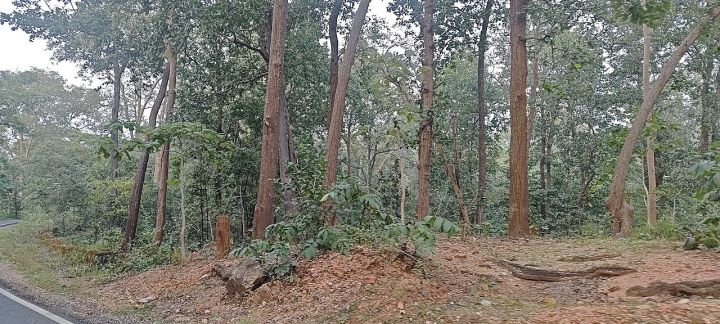
📷 Image: Wikimedia Commons / Dev0745
Science
Jharkhand Reports Vacant Tiger Habitats, Conservation Efforts Urged
✍️ Jharkhand State News
🗓 18 Oct 2026, 02:01 PM
👁 12
Jharkhand authorities have reported a significant number of tiger territories currently unoccupied, raising concerns about the state’s wildlife conservation strategy.
Jharkhand wildlife officials have announced that a recent survey found a large number of designated tiger habitats without any recorded sightings of the apex predator. The report highlights a worrying gap in the state’s conservation framework, suggesting that key territories may be left unmonitored.
Experts point out that vacant tiger zones could be symptomatic of several issues, including poaching pressure, fragmentation of forest cover, or a decline in prey populations. The absence of tigers in these areas may also indicate lapses in patrolling and enforcement.
In response, the state government has pledged to strengthen anti-poaching patrols and to engage local communities in monitoring efforts. Plans are underway to conduct detailed studies aimed at identifying the root causes of the vacancy and to devise targeted corrective measures.
Conservationists emphasize that maintaining continuous tiger presence is crucial for ecological balance and for meeting national biodiversity targets. They call for a coordinated approach involving wildlife departments, NGOs, and local stakeholders.
The findings have prompted calls for immediate action to restore tiger populations in the affected territories and to prevent further loss of critical habitats.
Experts point out that vacant tiger zones could be symptomatic of several issues, including poaching pressure, fragmentation of forest cover, or a decline in prey populations. The absence of tigers in these areas may also indicate lapses in patrolling and enforcement.
In response, the state government has pledged to strengthen anti-poaching patrols and to engage local communities in monitoring efforts. Plans are underway to conduct detailed studies aimed at identifying the root causes of the vacancy and to devise targeted corrective measures.
Conservationists emphasize that maintaining continuous tiger presence is crucial for ecological balance and for meeting national biodiversity targets. They call for a coordinated approach involving wildlife departments, NGOs, and local stakeholders.
The findings have prompted calls for immediate action to restore tiger populations in the affected territories and to prevent further loss of critical habitats.