
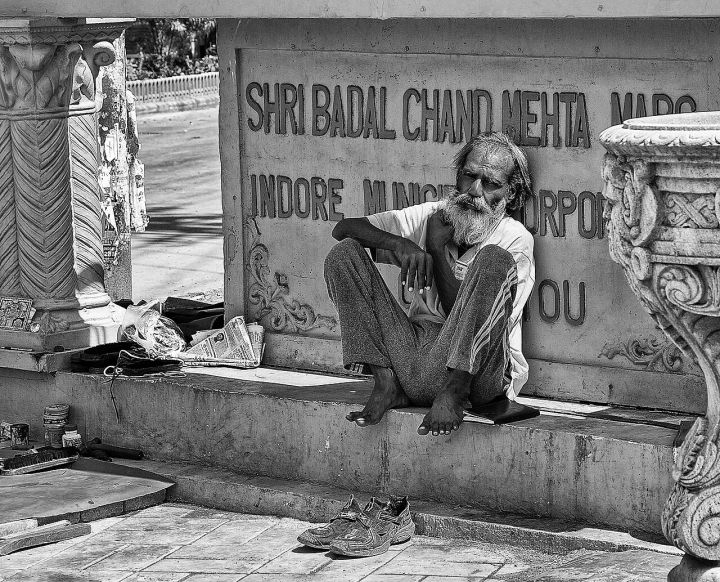
📷 Image: Wikimedia Commons / John Hoey from Framingham, MA, United States
Local
Indore to Revive Old Wells and Baoris to Combat Water Shortage
✍️ Amar Ujala · Madhya Pradesh
🗓 11 Oct 2026, 06:45 AM
👁 8
Facing a water crunch due to scant rainfall, Indore Municipal Corporation will install hydrants at every ward's wells and baoris and enforce a new water policy, including the closure of washing centres from January.
Indore is grappling with a severe water shortage after a spell of below‑average rainfall. To mitigate the crisis, the Indore Municipal Corporation has drafted a comprehensive plan that targets the city's traditional water sources.
The plan calls for the installation of hydrants at every well and baori across all wards, enabling residents to draw water more efficiently. Alongside this infrastructure upgrade, the corporation will roll out a new water policy aimed at regulating consumption and curbing wastage.
One of the immediate measures announced is the shutdown of all municipal washing centres starting in January, a step intended to reduce non‑essential water use. The combined actions are expected to bolster water availability while the city awaits a return of normal monsoon patterns.
Officials emphasized that the initiative focuses on leveraging existing assets—old wells and baoris—rather than relying solely on new supply projects, thereby providing a quicker relief to affected households.
The plan calls for the installation of hydrants at every well and baori across all wards, enabling residents to draw water more efficiently. Alongside this infrastructure upgrade, the corporation will roll out a new water policy aimed at regulating consumption and curbing wastage.
One of the immediate measures announced is the shutdown of all municipal washing centres starting in January, a step intended to reduce non‑essential water use. The combined actions are expected to bolster water availability while the city awaits a return of normal monsoon patterns.
Officials emphasized that the initiative focuses on leveraging existing assets—old wells and baoris—rather than relying solely on new supply projects, thereby providing a quicker relief to affected households.