
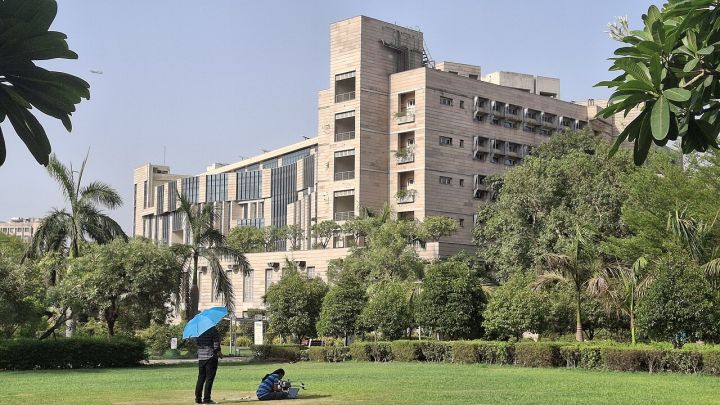
📷 Image: Wikimedia Commons / ThePerfectYellow
Technology
IIIT Delhi launches wayfinding system to aid visually‑impaired commuters
✍️ Amar Ujala · Delhi
🗓 11 Nov 2026, 08:31 PM
👁 8
The Indian Institute of Information Technology in Delhi announced a project to create easier navigation tools for visually‑impaired people.
Delhi – The Indian Institute of Information Technology (IIIT) has unveiled plans to develop a dedicated wayfinding solution aimed at simplifying movement for visually‑impaired individuals in public spaces. The initiative, announced in a statement to local media, seeks to incorporate technology that can guide users through tactile, auditory or digital cues, reducing dependence on assistance.
Officials said the project will focus on creating accessible navigation aids that can be deployed in transport hubs, government buildings and other high‑traffic areas across the capital. By leveraging existing research in assistive technology, IIIT hopes to deliver a scalable model that other cities can adopt.
The institute intends to collaborate with disability‑rights groups and technology partners to ensure the solution meets real‑world needs. While a rollout timeline has not been disclosed, the announcement underscores Delhi’s growing emphasis on inclusive infrastructure.
Stakeholders view the move as a step toward broader accessibility reforms, aligning with national policies that promote equal opportunities for persons with disabilities.