
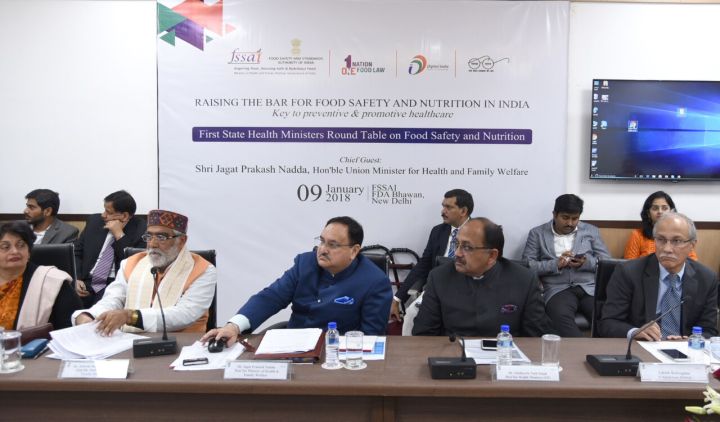
📷 Image: Wikimedia Commons / Ministry of Health and Family Welfare
Food
HRAWI Brings FSSAI’s FoSTaC Food Safety Programme to Lonavala
✍️ Odisha Diary
🗓 18 Oct 2026, 06:18 AM
👁 11
The HRAWI organization has partnered with the Food Safety and Standards Authority of India to launch the FoSTaC programme in Lonavala, Maharashtra.
Lonavala in Maharashtra will host a new food‑safety training initiative as HRAWI collaborates with the Food Safety and Standards Authority of India (FSSAI). The joint effort marks the rollout of the FoSTaC (Food Safety Training and Capacity building) programme in the hill‑station, aiming to strengthen compliance with national food‑safety standards.
The FoSTaC programme is designed to provide practical guidance to local food‑business operators, vendors and related stakeholders. Through a series of workshops and hands‑on sessions, participants will receive updated information on hygiene practices, safe food handling, and regulatory requirements.
HRAWI officials said the training will be conducted by FSSAI experts who will demonstrate best practices and answer queries from the attendees. The initiative reflects ongoing government and civil‑society efforts to improve food safety awareness across the country.
Organisers expect the programme to enhance consumer confidence and reduce incidences of food‑borne illnesses in the region, contributing to a safer food environment for residents and tourists alike.
The FoSTaC programme is designed to provide practical guidance to local food‑business operators, vendors and related stakeholders. Through a series of workshops and hands‑on sessions, participants will receive updated information on hygiene practices, safe food handling, and regulatory requirements.
HRAWI officials said the training will be conducted by FSSAI experts who will demonstrate best practices and answer queries from the attendees. The initiative reflects ongoing government and civil‑society efforts to improve food safety awareness across the country.
Organisers expect the programme to enhance consumer confidence and reduce incidences of food‑borne illnesses in the region, contributing to a safer food environment for residents and tourists alike.