
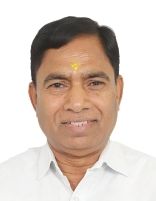
📷 Image: Wikimedia Commons / Government of Delhi
Politics
From Flour‑Mill Quilts to AICC Secretary: Haryana’s Yogender Yogi’s Political Journey
✍️ The Indian Express
🗓 27 Nov 2026, 02:16 AM
👁 19
Yogender Yogi, once employed filling quilts at a flour mill in Haryana, has risen to become a secretary of the All India Congress Committee.
Yogender Yogi started his professional life working at a flour mill in Haryana, where his daily task involved filling quilts that were used for packaging grain. The modest job gave him a firsthand view of the challenges faced by labourers in the state.
Motivated by a desire to address those challenges, Yogi entered local politics, initially aligning himself with grassroots Congress activities. He gradually took on responsibilities within the party’s district units, earning a reputation for connecting with workers and small‑business owners.
In a notable development, the Congress leadership appointed him as a secretary of the All India Congress Committee (AICC). The role places him at the centre of the party’s national strategy, marking a significant leap from his early days at the mill.
Observers note that Yogi’s ascent reflects the party’s effort to bring leaders with real‑world labour experience into its upper echelons, hoping to broaden its appeal among rural and working‑class voters.